Divine Dawn
Play Divine Dawn
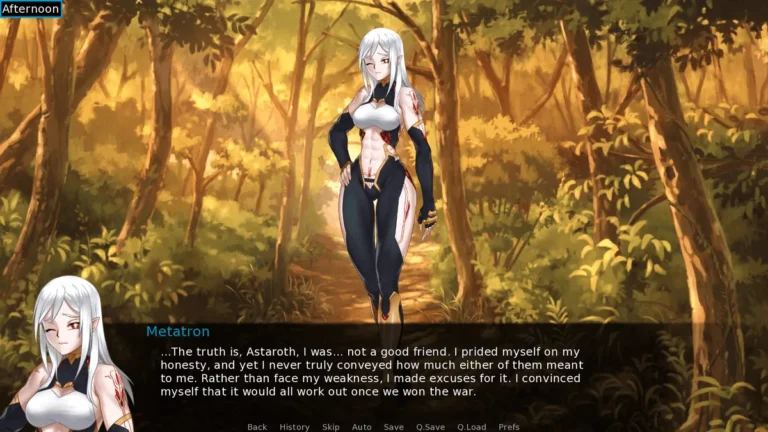
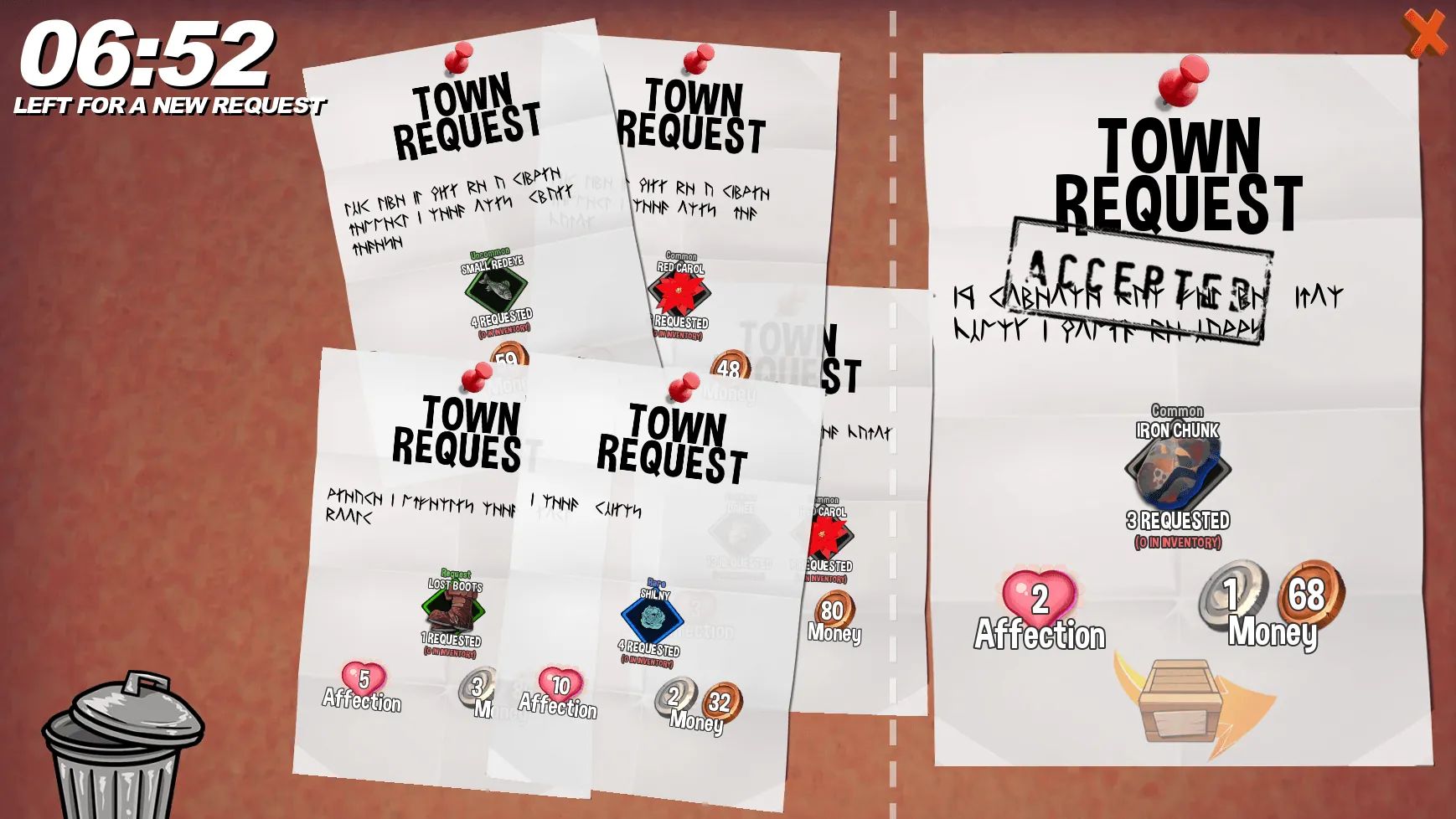
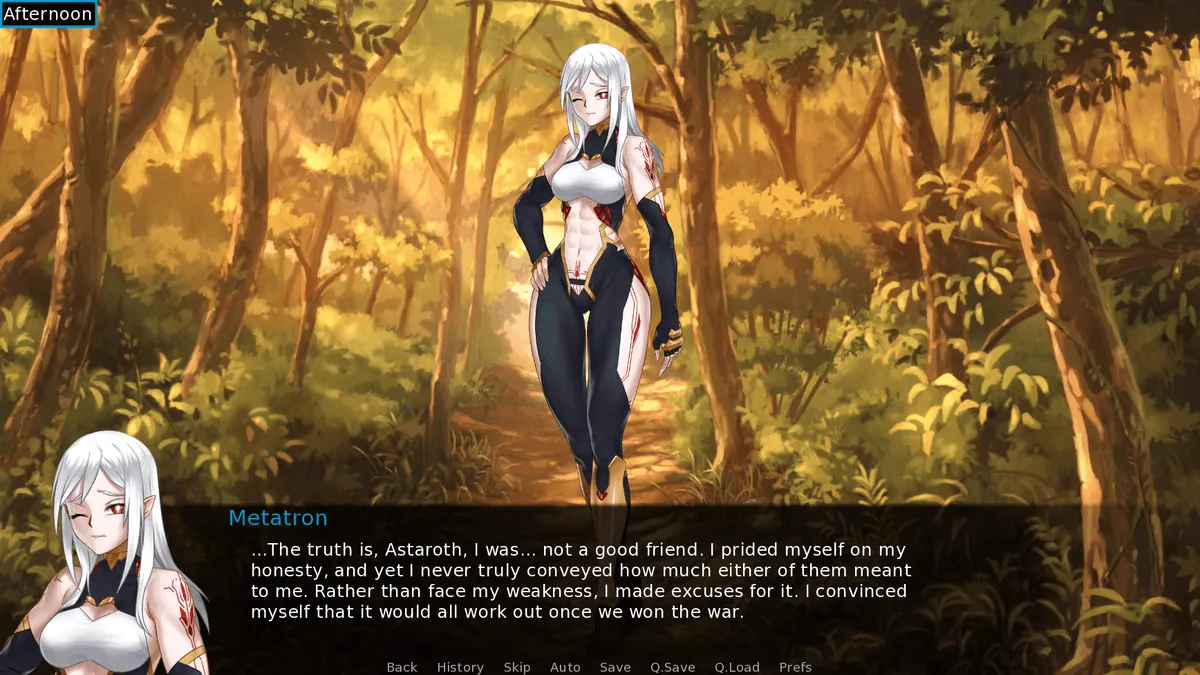
Divine Dawn Screenshots

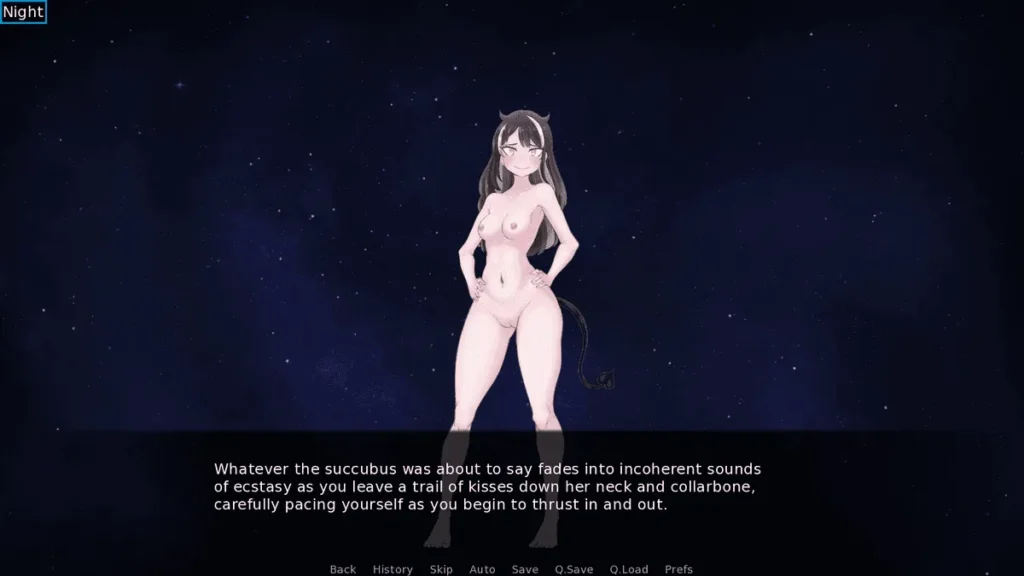
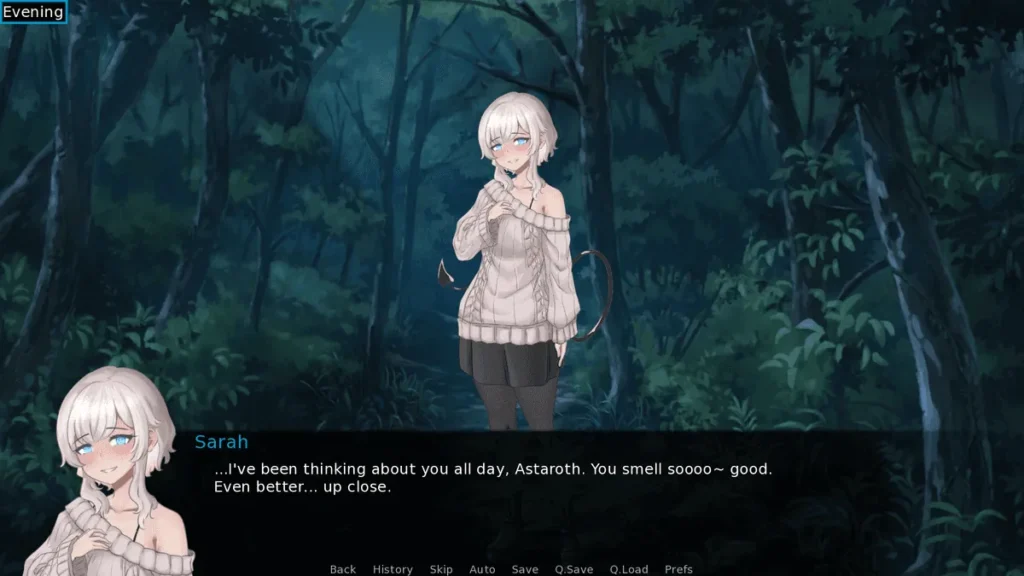
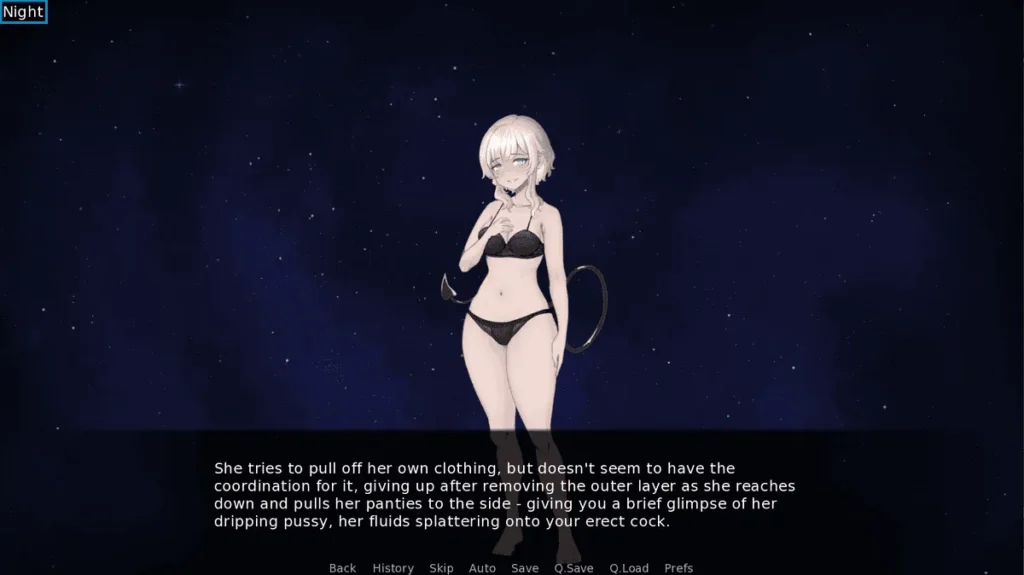
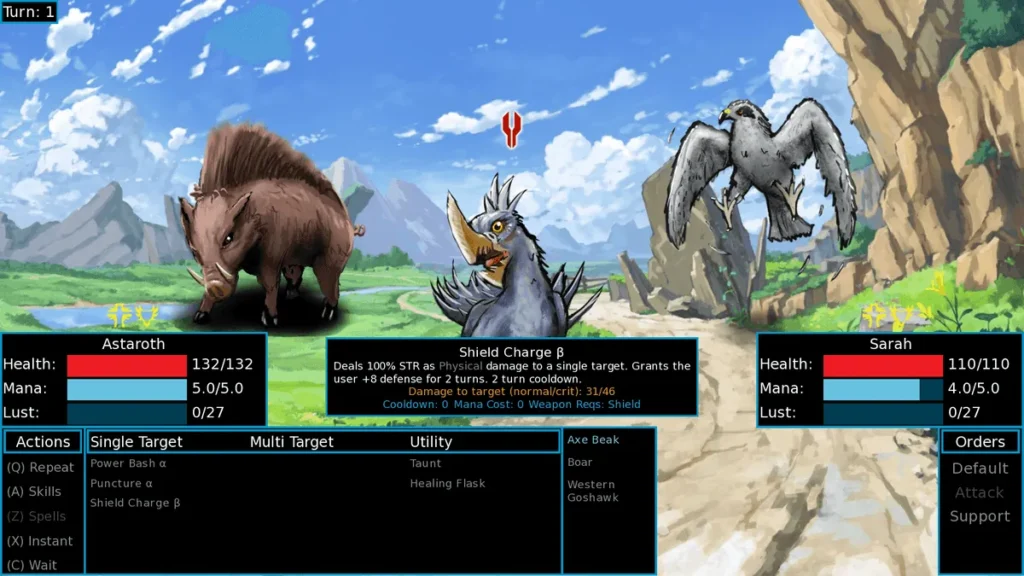


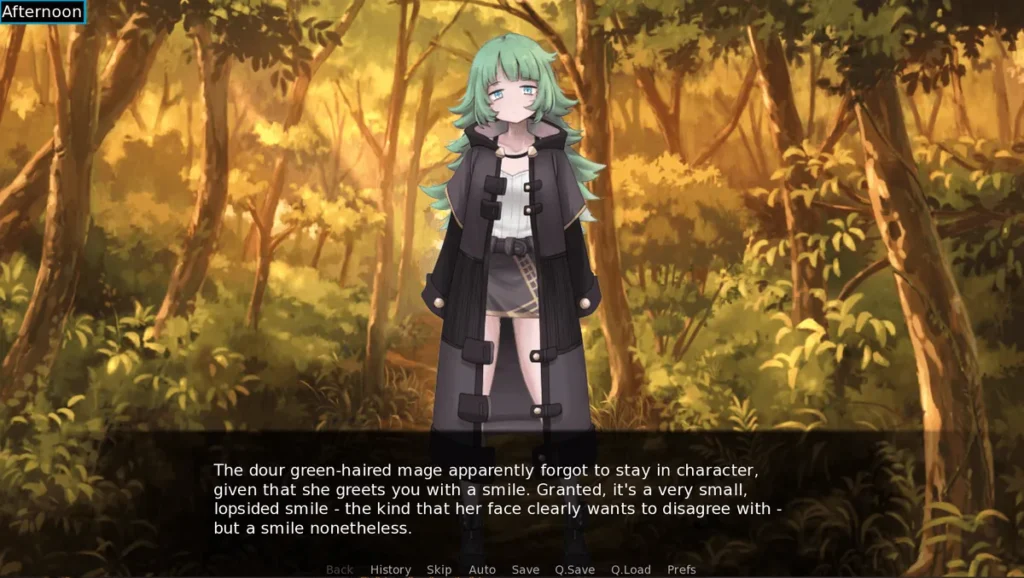

Divine Dawn review
An immersive, player-first walkthrough and review of Divine Dawn
Divine Dawn is an adult-oriented role-playing game that blends narrative, character relationships, and turn-based combat to create an engaging single-player experience; this article dives into the game’s story, core mechanics, characters, art and how to get the best out of your playthrough while sharing personal impressions and tips. If you’re curious about what makes Divine Dawn stand out among similar titles, I’ll walk you through hands-on observations from my play sessions, key systems to master, and practical advice for new players.
Overview: What is Divine Dawn and why it matters
So, you’ve heard the whispers about Divine Dawn 🗡️✨, and you’re wondering what all the fuss is about. Maybe a friend won’t stop raving, or you’ve seen stunning screenshots lighting up your feed. Let me tell you, the hype is real. This isn’t just another fantasy RPG—it’s a world that pulls you in and makes you want to stay. In this Divine Dawn overview, we’re diving deep into what makes this game a standout experience. Whether you’re a seasoned adventurer or new to the genre, understanding the Divine Dawn gameplay, story, and features is key to seeing why it matters. Buckle up; we’re about to embark on a journey.
What Divine Dawn is about
At its heart, Divine Dawn is a rich, narrative-driven fantasy RPG where your choices truly shape the world 🌍. The premise hooks you from the start: you awaken in a realm where the gods have vanished, and ancient magic is seeping back into the land, causing both wonder and chaos. You play as a Beacon—a rare individual who can channel this returning power—and must navigate political intrigue, forge alliances, and uncover the mystery of the divine disappearance. The tone masterfully balances epic stakes with intimate, personal moments, making every decision feel weighty.
What sets the Divine Dawn story apart is its focus on relationships. Yes, you’ll battle corrupted beasts and explore forgotten ruins, but you’ll also spend quiet evenings at camp, bonding with your companions over stories and secrets. It’s this blend of grand adventure and heartfelt connection that defines the experience. To give you a quick snapshot, here’s an at-a-glance table with the essentials:
| Category | Details |
|---|---|
| Platform | PC (Steam), PlayStation 5, Xbox Series X/S |
| Genre | Fantasy RPG with Turn-Based Combat & Relationship Simulation |
| Estimated Playtime | 40-60 hours for main story, 80+ for completionists |
| Developer / Publisher | Luminous Games / Starlight Interactive |
| Current Release Status | Fully launched, with regular content updates planned |
This table covers the basic Divine Dawn platforms and setup, showing it’s accessible on major systems. The developer, Luminous Games, has adopted a player-first model, listening to community feedback and rolling out meaningful updates that add new quests, characters, and quality-of-life improvements. This commitment ensures the world stays fresh long after your first playthrough.
Core gameplay loop and systems
Now, let’s get into the nitty-gritty—the Divine Dawn gameplay that will consume your evenings. 🎮 The core loop is beautifully simple: explore, interact, fight, and grow. You’ll journey across diverse landscapes, from sun-dappled forests to crumbling, magic-soaked cities, uncovering secrets and taking on quests. But the magic lies in how all the systems intertwine to create a truly immersive role-playing experience.
-
Character Creation & Customization: Your adventure begins with one of the most detailed character creators I’ve seen in a while. You’re not just picking a class; you’re defining a legacy. Choose from multiple ancestries (each with unique cultural dialogues), sculpt your appearance, and, most importantly, select a Background. This isn’t just flavor text—picking the “Scholar” or “Street Urchin” background will unlock specific conversation options and quests throughout the game, making your playthrough uniquely yours.
-
Party Management & Relationships: You won’t be alone. Early on, you’ll recruit a band of memorable companions, each with their own goals, fears, and secrets. Managing your party isn’t just about combat efficiency; it’s about social dynamics. The relationship system is deep. Through dialogue choices, gift-giving, and key story decisions, you’ll build trust, rivalry, or romance. I once spent a full in-game hour fishing with the gruff warrior Kaelen just to hear about his past, and the resulting conversation changed how he reacted in a major plot moment later. These bonds directly affect your effectiveness in battle through synergy bonuses.
-
Dialogue & Choice Mechanics: Every conversation can be a puzzle. The game uses a “Tone” system where your responses can be Diplomatic, Honest, Cunning, or Empathetic. NPCs react to your consistent behavior, and building a reputation opens or closes doors. It’s not about good or evil; it’s about who you choose to be in this complex world. This is a cornerstone of the Divine Dawn features, making the narrative feel responsive and alive.
-
Turn-Based Combat: Forget mindless button-mashing. Combat in Divine Dawn is a tactical delight 🧠⚔️. It’s turn-based, on a grid, where positioning and ability combos are everything. Use the environment to your advantage—lure enemies into a choke-point, or have your mage cast a spell to make the ground slippery. Each character’s abilities can be modified and combined with others for devastating effects. The progression system ties in neatly, as you earn experience not just from fights but from successful skill checks in exploration and dialogue.
-
Exploration & Progression: The world is begging to be discovered. You’ll level up, find better gear, and unlock new abilities, but progression feels meaningful. Finding a rare crafting blueprint or a hidden shrine that boosts your stats is incredibly rewarding. The Divine Dawn gameplay loop ensures you’re always working toward something, whether it’s mastering a new skill tree or unlocking a deeper level of friendship with a companion.
This seamless blend of systems is what defines the Divine Dawn overview for many players. It’s a game where talking to a lonely ghost in a library can be as thrilling as defeating a dragon, because both stories are woven into the same rich tapestry.
Why players are talking about Divine Dawn
Alright, let’s get personal. Why is Divine Dawn suddenly on everyone’s lips? 🤔 For me, it was a moment about two hours in. I’d just finished a tense, tactical battle in a rain-swept graveyard and returned to our campfire. The elf archer, Lyra, who had been quietly professional until then, began to play a melancholic tune on her flute. Another companion, the cheerful rogue Finn, surprisingly confessed how the music reminded him of a home he’d lost. No quest marker, no reward—just a raw, human moment that cemented these characters as real people in my mind. That’s the hook: Divine Dawn makes you care deeply, and that emotional investment is its greatest strength.
Players are talking because it delivers on a promise many RPGs make but few keep: true agency in a living world. The Divine Dawn story respects your intelligence, presenting moral grays instead of simple binaries. Community forums are buzzing with players comparing their vastly different journeys—one player might have a thriving romance with the court mage, while another might have exiled him from the party for his arrogance. This variability is a huge draw.
Who is this game for? Its target audience is players who crave depth over breadth. If you love getting lost in lore books, micromanaging your party’s gear, and seeing the long-term consequences of a casual remark, you’ll feel right at home. It’s for those who enjoyed the relationship-building of games like Dragon Age or the tactical combat of Divinity: Original Sin, but want it wrapped in a fresh, captivating world. The expectations are high because the Divine Dawn features set a new bar for immersion.
Of course, no game is perfect, and an honest Divine Dawn review needs to reflect that. Here’s my quick take on the pros and cons:
What Shines: ✨
* Incredible Depth of Choice: Your decisions dramatically alter the narrative and world state.
* Rich Character Writing: Companions feel like genuine friends (or rivals) with complex arcs.
* Satisfying Tactical Combat: Every battle feels like a rewarding puzzle.
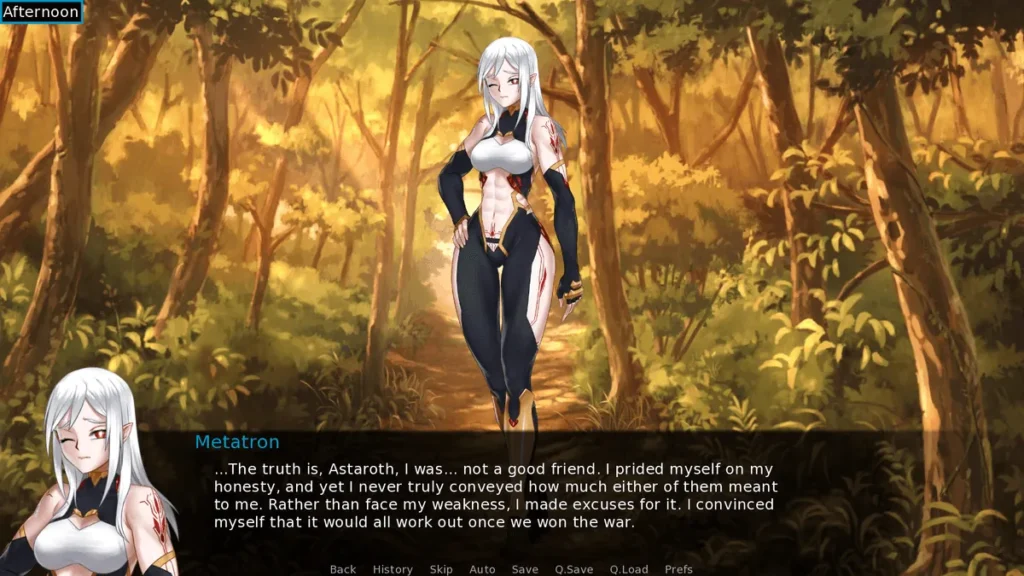
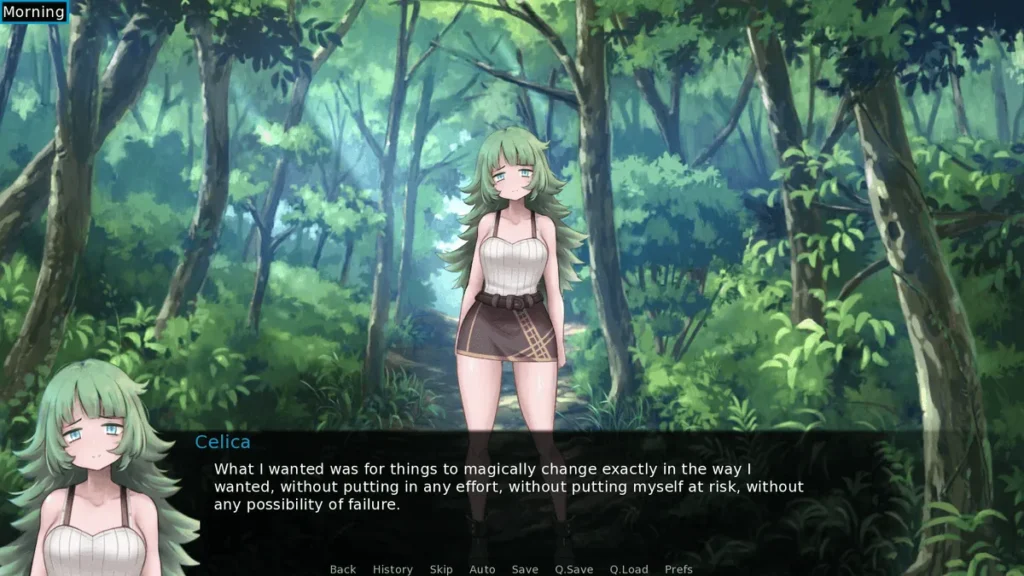
* Beautiful Art Style & Soundtrack: The painterly visuals and orchestral score create a consistently enchanting atmosphere.
* Strong Replay Value: With different backgrounds, choices, and relationships, no two playthroughs are alike.
Where It Stumbles: ⚠️
* Occasional Performance Hiccups: On older hardware, some dense areas can experience frame rate drops.
* Pacing Can Be Uneven: The middle section has a few fetch-style quests that feel like padding compared to the strong main story.
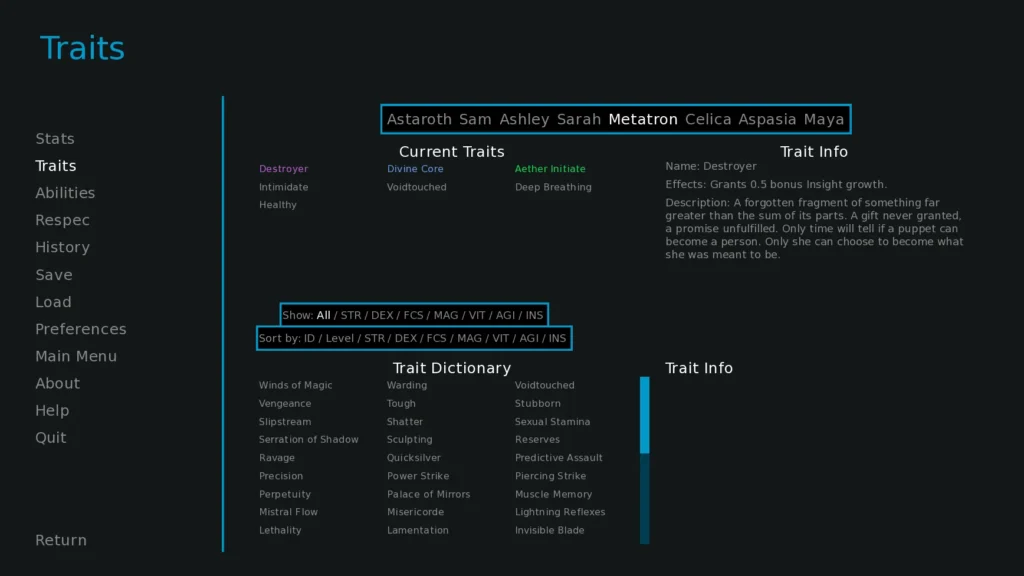
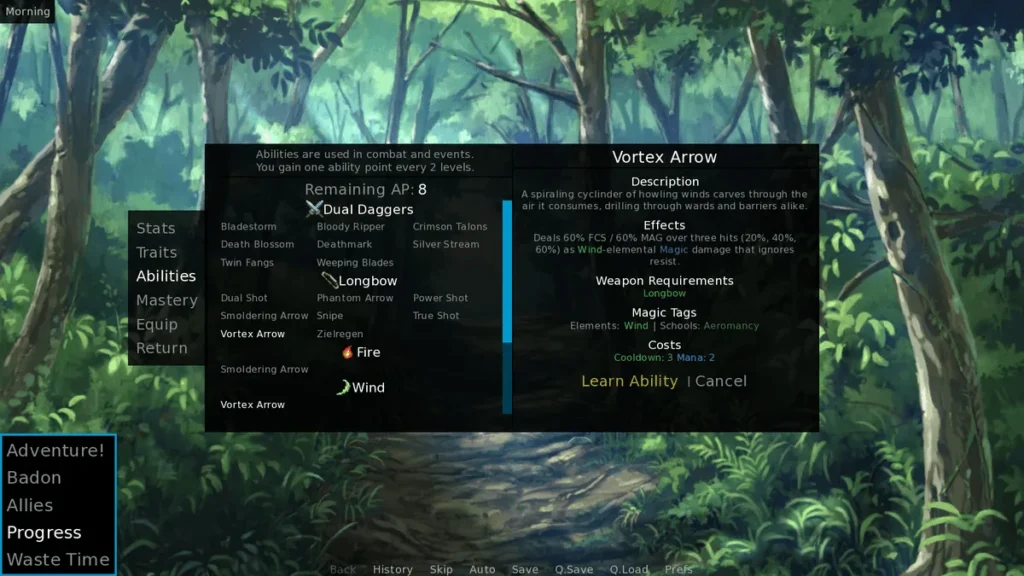
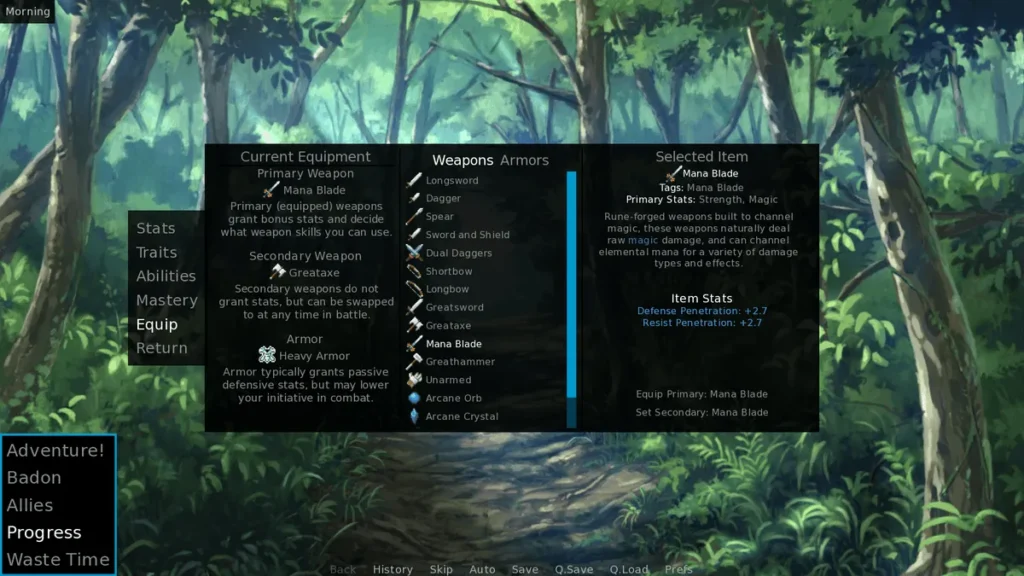
* UI Learning Curve: The inventory and skill menus are powerful but can be overwhelming at first glance.
* Minor Bugs: Rare dialogue glitches or pathfinding issues, though the developer is quick with patches.
In wrapping up this Divine Dawn overview, it’s clear why this game is making waves. It’s a labor of love that prioritizes player agency and emotional connection above all else. The Divine Dawn gameplay offers a perfect storm of tactical challenge and narrative reward, while the Divine Dawn story stays with you long after the credits roll. Whether you’re in it for the combat, the characters, or the sheer joy of exploration, Divine Dawn delivers an experience that is, without question, memorable. So, if you’re ready to leave your mark on a world where the gods have left the stage, your dawn awaits.
Divine Dawn delivers a compelling mix of narrative, character-driven scenes, and tactical combat; for players who enjoy pacing their relationships alongside progression, it offers rewarding moments and a distinctive tone. My hands-on time highlighted strong writing and memorable characters, plus a few rough edges typical of indie releases — but those don’t overshadow the game’s strengths. If you’re considering it, use the starter roadmap, try one of the suggested builds, and join the community hubs to get the most from your experience. If you enjoyed this guide, try the early-session checklist and share your discoveries with the community.