Play Indecent Desires – The Game
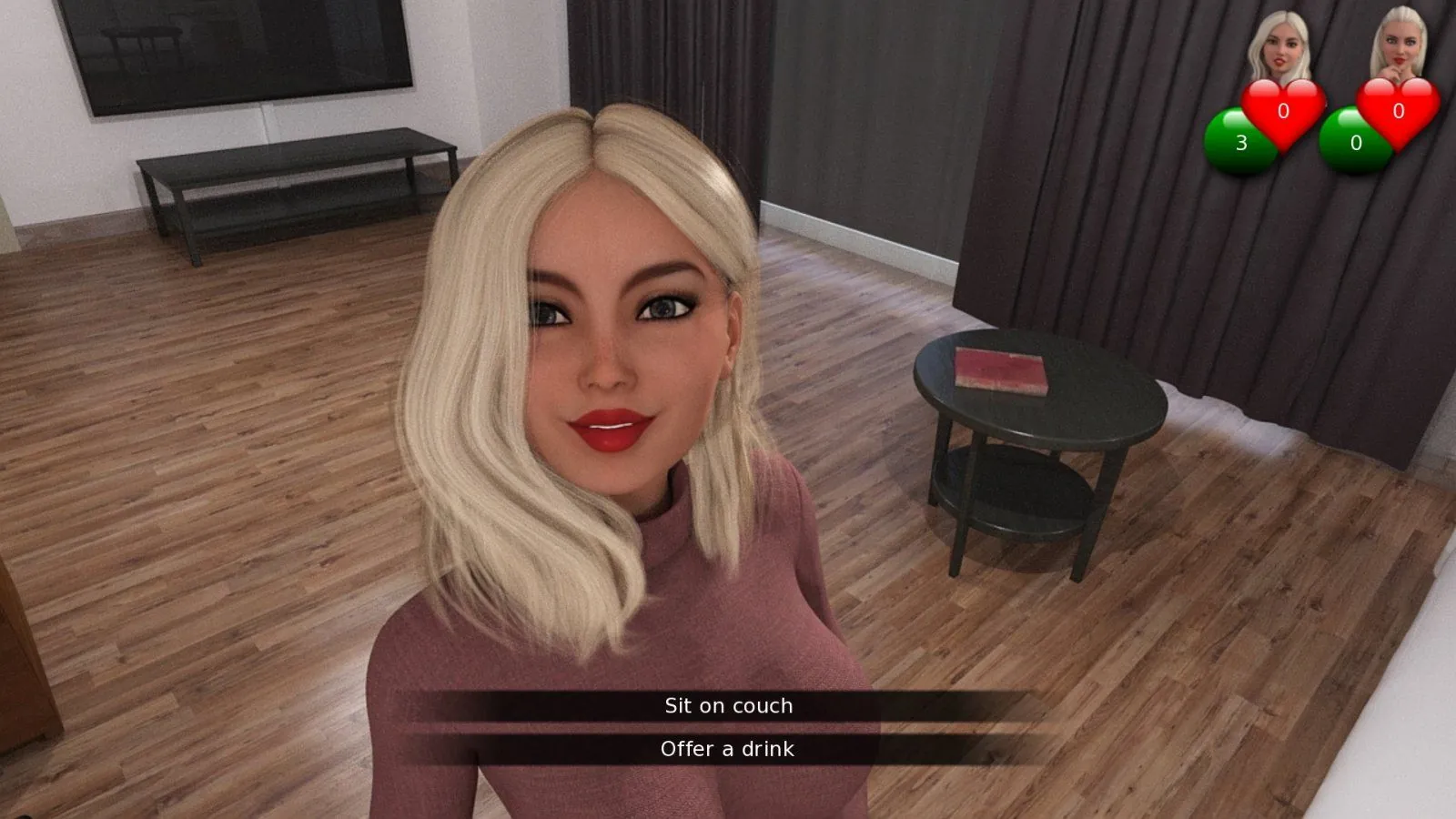
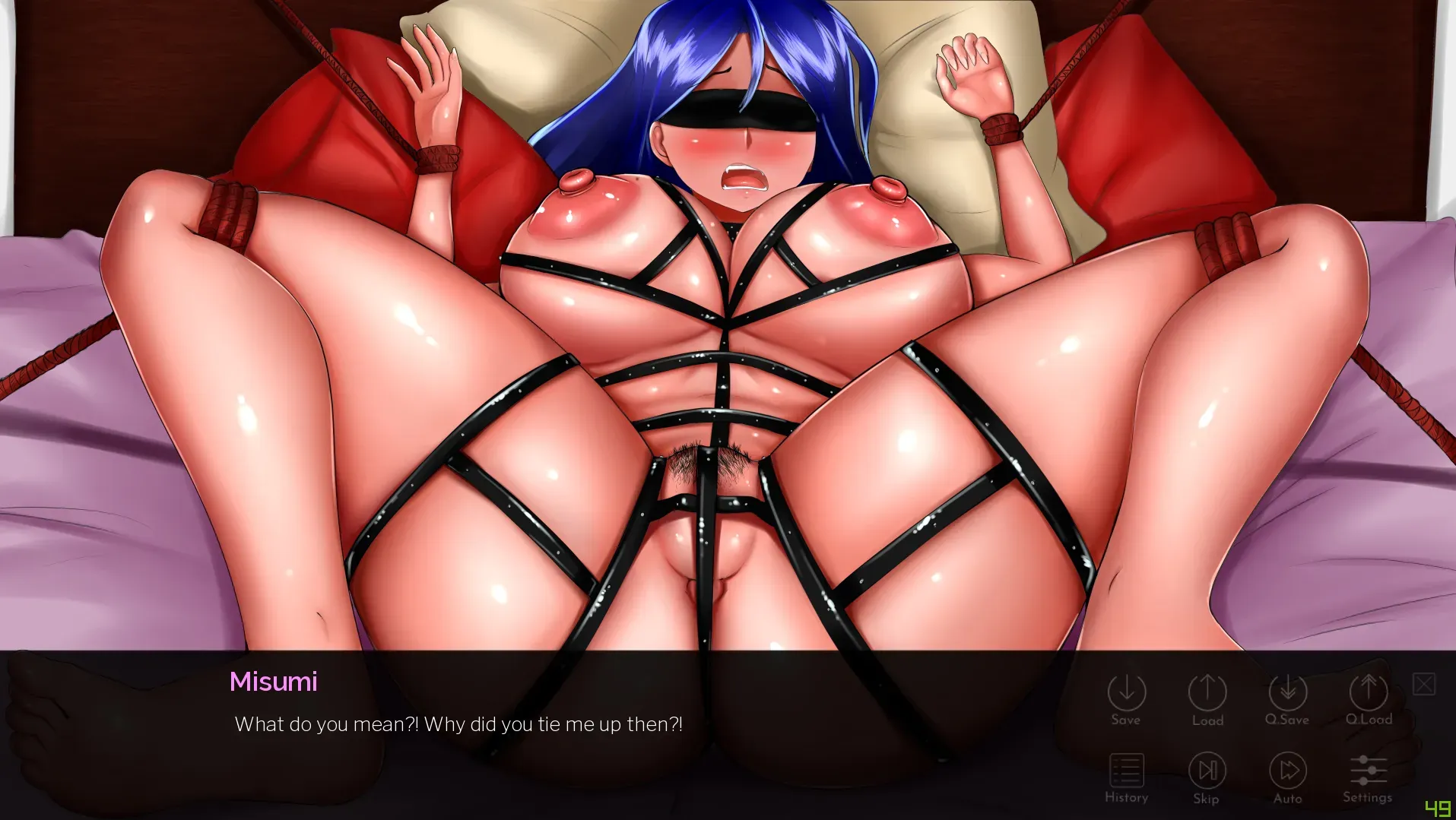
Indecent Desires – The Game Screenshots








Indecent Desires – The Game review
Master every chapter, unlock hidden paths, and maximize character relationships in this adult visual novel
Indecent Desires stands out as a narrative-driven adult visual novel that emphasizes player choice and character relationship building. Unlike linear games, this title features branching storylines where your decisions directly impact character attributes, dialogue options, and available story paths. Understanding the game’s attribute system, decision mechanics, and character-specific requirements is essential for unlocking all content and achieving desired outcomes. This guide provides strategic insights into navigating the game’s complex relationship dynamics, making informed choices during critical moments, and discovering hidden content that casual players often miss. Whether you’re starting your first playthrough or seeking to unlock specific story branches, mastering these mechanics will significantly enhance your gaming experience.
Understanding Game Mechanics and Character Attributes
Ever loaded up Indecent Desires – The Game, made what you thought was a simple choice, and watched the story spiral in a direction you never expected? 😅 I’ve been there. The beauty—and sometimes the frustration—of this visual novel lies in its incredible depth. It’s not just about clicking through steamy scenes; it’s a intricate web of psychology and strategy. Your success hinges entirely on understanding the visual novel game mechanics that power every interaction.
Think of this guide as your backstage pass. We’re going to strip down the game’s engine to understand how Indecent Desires character attributes silently control every smile, every argument, and every story branch. By mastering this attribute system guide, you’ll move from a passive reader to a master storyteller, expertly navigating story branching decisions and crafting the exact narrative you want.
How Character Attributes Shape Your Story Outcomes
At the heart of Indecent Desires – The Game lies a deceptively simple system: five core attributes that define your relationships. These aren’t just numbers on a screen; they are the emotional fingerprints you leave on every character. Your entire relationship building gameplay revolves around manipulating these stats.
Each main character has their own independent set of these attributes towards you. They are:
- Obedience: The character’s willingness to follow your direct commands or submit to your influence. High Obedience can unlock submissive paths and private moments.
- Respect: How much the character views you as an equal or superior. It’s crucial for forming alliances and earning trust in more “vanilla” storylines.
- Affection: The genuine, softer emotional connection. This is often the key to romantic, longer-term relationship paths.
- Lust: The raw, physical desire the character feels. This drives the more directly erotic scenes and immediate physical interactions.
- Disdain: A measure of contempt or dislike. While it sounds negative, strategically managed Disdain can be a perverse tool for certain power-dynamic paths.
Every dialogue choice, action, and even inaction is a tool to sculpt these stats. The magic—and the complexity—is that a single choice often affects multiple attributes at once, and in different ways for different characters. This system is what creates the rich dialogue choice consequences the game is known for.
To help you keep track, here’s a quick-reference guide to these pivotal stats:
| Attribute | What It Represents | Common Ways to Increase | Story Impact |
|---|---|---|---|
| Obedience | Willingness to submit or follow commands. | Making dominant choices, issuing orders, using leverage. | Unlocks submissive character paths, exclusive commands, and private “tasks.” |
| Respect | Sees you as a capable peer or leader. | Standing up for characters, making smart decisions, showing strength. | Opens up cooperative storylines, trust-based revelations, and alliance options. |
| Affection | Genuine emotional care and romantic interest. | Kind dialogue, protective actions, emotional support. | Leads to romantic endings, deep emotional scenes, and committed relationship branches. |
| Lust | Raw physical attraction and desire. | Flirtatious dialogue, initiating intimate moments, voyeuristic actions. | Triggers immediate erotic scenes, fuels passionate but temporary flings. |
| Disdain | Contempt, dislike, or a perverse form of attention. | Insulting choices, humiliation, aggression, or neglect. | Can lock out “nice” paths but is essential for degradation-focused or antagonistic routes. |
The real art of hidden content unlocking begins when you realize that most scenes require specific thresholds of these attributes. Want Chloe to see you in a certain way? You’ll need her Respect above 5 and her Disdain below 2 before Chapter 4. It’s a constant balancing act. 🔄
Decision-Making Framework: Choices That Matter
Now that we know what we’re changing, let’s talk about how to change it. The story branching decisions in this game are rarely about “good” or “evil.” They’re about defining a relationship dynamic. The game doesn’t pause for you during these choices, which leads to my #1 piece of strategic advice:
PAUSE THE GAME! 🛑 Seriously, hit that spacebar the moment a choice pops up. This gives you time to think: “Which attribute am I trying to boost, and with whom? What long-term path does this align with?” Rushing leads to accidental locks and missed opportunities.
Let’s break down a famous early-game example that perfectly illustrates the dialogue choice consequences and how they ripple forward.
The Sarah Shower Scene: A Case Study in Consequence
In an early chapter, you stumble upon Sarah in the shower. You’re presented with a critical, time-sensitive choice.
-
Path A: Take a Picture.
- Immediate Outcome: You get a compromising photo. Sarah is initially angry but can be manipulated.
- Attribute Shift: Sarah gains +1 Obedience (you’ve established power) and +1 Lust (there’s a thrill), but may lose Affection.
- Long-Term Branch: This photo becomes a tangible tool. It can be used later to pressure Sarah into specific actions, unlocking a branch where your relationship is based on leverage and secret dominance. It fast-tracks you toward paths requiring high Obedience.
-
Path B: Do Not Take a Picture.
- Immediate Outcome: You avert your eyes or announce yourself. The scene plays out with embarrassment and dialogue.
- Attribute Shift: Sarah gains +1 Respect (you acted honorably) and potentially +1 Affection (you showed restraint/kindness).
- Long-Term Branch: This builds trust. It opens up a slower-burn, more emotionally connected path with Sarah. Later intimate moments feel earned rather than coerced, leading to scenes and endings that require high Affection and Respect.
See how one choice isn’t just about “see a scene” or “not see a scene”? It’s about laying the foundation for an entirely different type of relationship. This is the essence of the game’s visual novel game mechanics. Another quick example: punching Trevor might grant +1 Respect from some characters who see you as strong, while not punching him might earn you +1 Disdain from those who wanted you to be aggressive.
Unlocking Hidden Content Through Strategic Gameplay
This is where your mastery pays off. Indecent Desires – The Game is packed with scenes, endings, and interactions that 80% of players will never see on a first—or even second—playthrough. This hidden content unlocking is the reward for understanding the system. 🎁
Character-specific paths are gated behind strict attribute combinations. You can’t just be “nice” or “mean.” You need a precise recipe.
Let’s talk about the “Chloe’s Bitch” path, a classic example of a hidden arc. To even have a chance at this:
1. You must consistently make choices that lower your own standing while elevating Chloe’s ego (increasing her Disdain and Lust toward you, while suppressing Respect).
2. During key intimate moments, you must select dialogue options like “I like being humiliated” when they appear. This isn’t just flavor text; it’s a flag the game checks.
3. If your specific stats with Chloe hit the required thresholds (typically very high Lust and Disdain, with low Respect), entirely new interaction options will unlock later, like specific work assignments or private meetings that are otherwise inaccessible.
This brings us to the most advanced strategy: balancing. Unless you’re aiming for a very specific, extreme ending, it’s often wise to avoid maxing out one attribute too early. Why? Because you might lock yourself out of a branch that requires a moderate level in another.
My Strategic Advice for a Flexible Playthrough:
* Early Game (Chapters 1-3): Experiment and explore. Don’t reload saves immediately. See where choices lead. Focus on learning which actions move which needles. 📈
* Mid Game (Chapters 4-6): Start specializing. Based on the relationships you’ve fostered, choose 1-2 characters to focus your relationship building gameplay on. Begin making choices that push toward the attribute profile for your desired path with them.
* Late Game (Chapters 7+): Commit and refine. By now, you should be on a clear track. Use a walkthrough if you need to hit exact numerical values for your target ending. This is where your meticulous attribute system guide knowledge ensures you cross the finish line.
Remember, Indecent Desires character attributes are your true interface with the game world. By viewing every choice through the lens of these five stats, you transform from a passenger into the pilot. You’ll no longer fear story branching decisions; you’ll anticipate them, prepared to steer the narrative toward any outcome you desire. The power to unlock every secret, explore every relationship, and master every chapter is now in your hands. Happy strategizing! 😎🔥
Mastering Indecent Desires requires understanding how character attributes, strategic decision-making, and relationship prioritization work together to create your unique story experience. By carefully managing your choices early in the game, you’ll unlock diverse story paths and hidden content that reward thoughtful gameplay. The game’s strength lies in its branching narrative design—your decisions genuinely matter and shape how characters perceive and interact with you throughout the story. Focus on building strong connections with key characters early, pay attention to attribute requirements for specific paths, and don’t hesitate to restart if you want to explore alternative story branches. Whether you’re pursuing specific character routes or discovering all available content, approaching the game with strategic intention transforms it from a casual experience into a deeply engaging narrative adventure. Take your time with each decision, understand the long-term consequences of your choices, and enjoy the rich storytelling that unfolds based on your unique playthrough decisions.