Tainted Heritage – a.k.a Weird Shit Is Going to Happen
Play Tainted Heritage – a.k.a Weird Shit Is Going to Happen
Tainted Heritage – a.k.a Weird Shit Is Going to Happen Screenshots
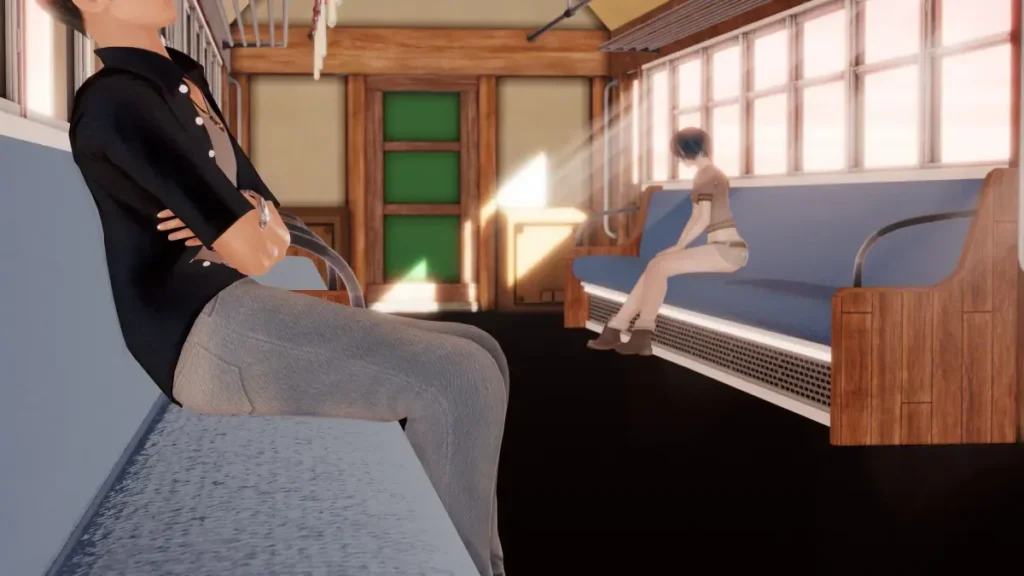
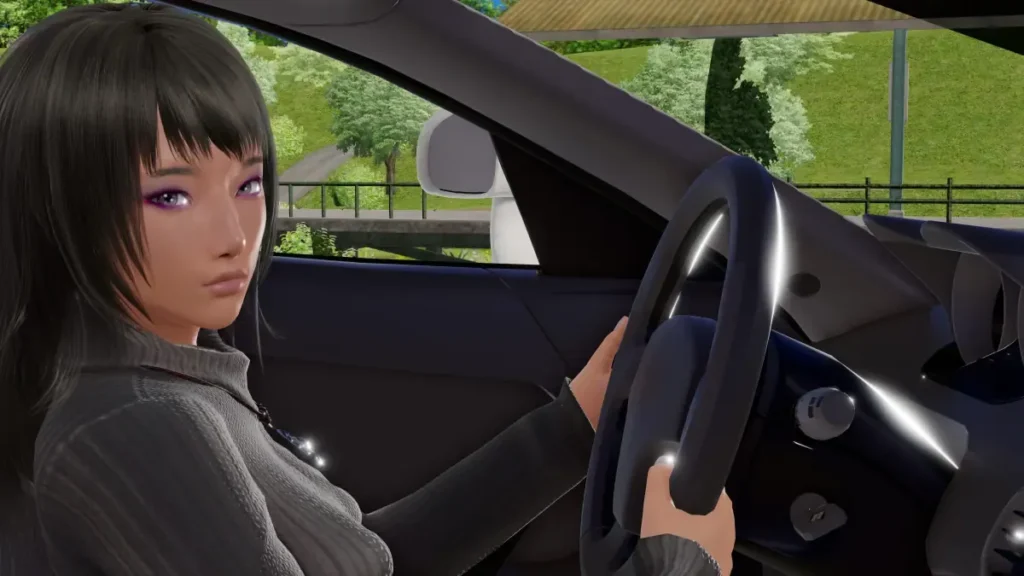
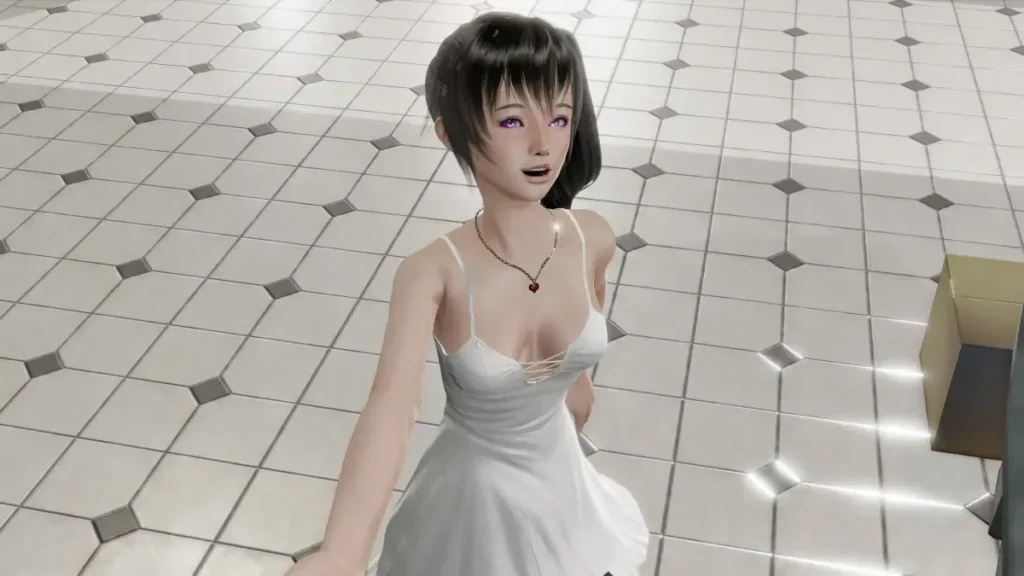
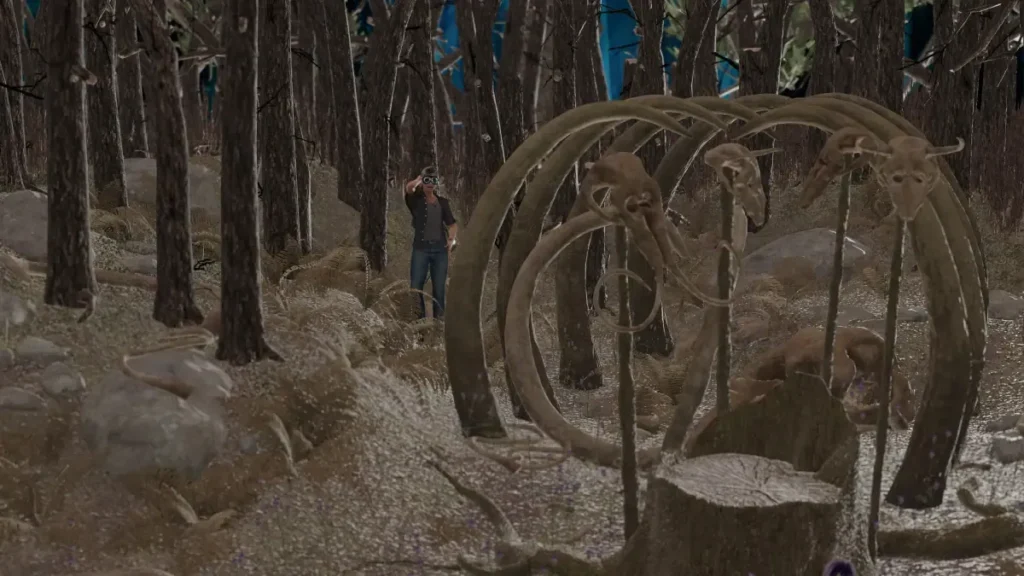
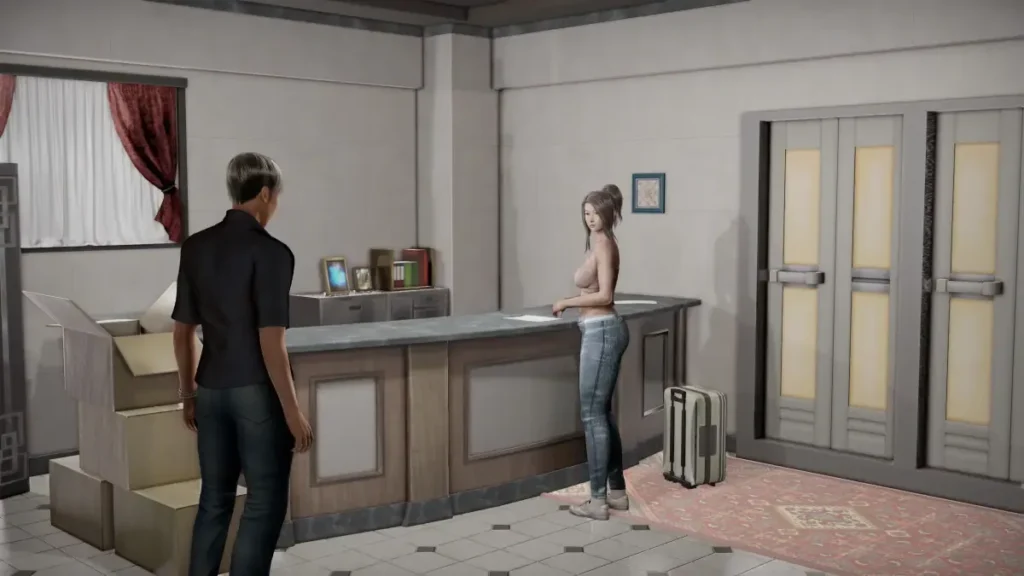
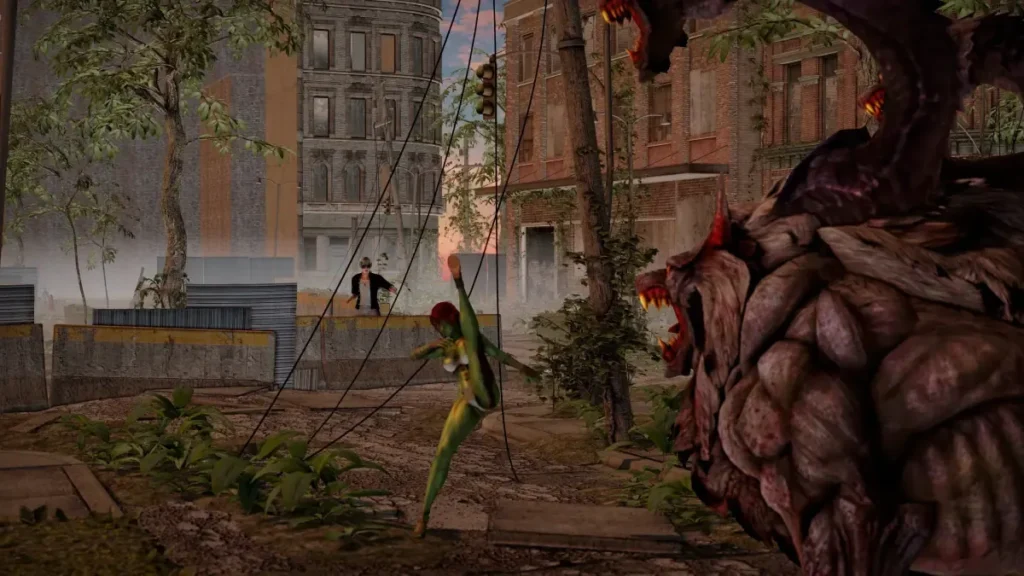
Tainted Heritage – a.k.a Weird Shit Is Going to Happen review
Exploring the unconventional storytelling mechanics and player choice systems in this indie visual novel
Tainted Heritage stands out in the indie gaming landscape as a choice-driven visual novel that challenges conventional narrative expectations. Following a protagonist’s life-altering discovery through a mysterious letter from an estranged grandmother, the game weaves together unexpected twists, complex character dynamics, and meaningful player agency. This guide explores what makes Tainted Heritage’s storytelling approach distinctive, how its branching narrative system works, and why players seeking experimental narratives find this title compelling. Whether you’re curious about the game’s mechanics, character relationships, or overall design philosophy, understanding these core elements helps determine if this indie experience matches your gaming interests.
Understanding Tainted Heritage’s Narrative Framework
Let’s be honest: most games tell you a story. Tainted Heritage – a.k.a Weird Shit Is Going to Happen asks you to build one, piece by fractured piece, from the wreckage of a life. This isn’t about following a plot; it’s about architecting a personal mythology where every choice echoes into the unknown. To understand its power, we must first pull back the curtain on its ingenious Tainted Heritage narrative structure, a framework designed not for a single tale, but for thousands. 🧩
The magic of this unconventional narrative game design begins long before you click a single dialogue option. It starts in the foundation, in the fertile ground of a profound human crisis.
The Core Story Setup and Initial Premise
Imagine hitting absolute rock bottom. That’s where you, the protagonist, begin. The game doesn’t shy away from raw, personal tragedy: a car accident claims both parents, leaving you with not just grief, but a crushing financial burden and sudden unemployment. You’re utterly adrift. Then, the letter arrives.
It’s from a grandmother you’ve never met, a woman whose name was only ever spoken in whispers, inviting you to her remote, ancestral home. This isn’t a comforting hand extended in sympathy; it’s a cryptic lure cast into the dark waters of your despair. Do you go, driven by desperation and a sliver of morbid curiosity? Or do you burn the letter, choosing to face your demons in the familiar ruins of your old life? This first, monumental choice is your entry point, but it’s merely the first stitch in a vast, branching tapestry.
This initial premise is the game’s masterstroke. It provides a powerful, relatable motivation (survival, closure, escape) while establishing a central mystery shrouded in family secrecy. By the time you arrive at the sprawling, imposing estate, you’re already primed to see every creaking floorboard as a potential clue and every family portrait as a hidden accusation. The stage is set not for a linear mystery to be solved, but for a psychological and supernatural labyrinth to be navigated—on your own terms. 🏚️✨
How Choice-Based Storytelling Creates Personal Narratives
Here’s where Tainted Heritage truly parts ways with tradition. Forget the classic visual novel trope of hunting for the “true” ending or steering a meter toward “good” or “evil.” This game implements a radical form of choice-based visual novel gameplay where your decisions don’t judge you—they define you and the very reality you inhabit.
The game’s director once shared in an interview, “We weren’t interested in morality plays. We were interested in perspective. Is saving a cherished heirloom from a fire an act of sentimental bravery, or a reckless endangerment of your life for mere property? The game doesn’t decide. Your future does.”
Your dialogue selections, investigative focus, and interactions aren’t keys for locked doors; they are lenses that color everything you see. This profound player agency storytelling means two players can witness the exact same core event and walk away with fundamentally different interpretations and narrative paths.
Let me give you a personal insight from my playthroughs. Early on, you encounter a shady groundskeeper muttering about “family curses.” In one run, I chose to confront him aggressively, demanding answers. This framed him as a hostile obstacle, and my story became a paranoid thriller about rooting out a conspirator on the estate. In another, I bought him a drink and listened to his ramblings with sympathy. Suddenly, he became a tragic oracle, and my narrative veered into a Gothic horror about lifting a generations-old supernatural blight. The game’s branching story paths indie game ethos ensured both stories felt complete, valid, and uniquely mine.
The practical advice here? Play instinctively. Don’t try to “game” the system or guess what the developer wants. The most rewarding narratives in Tainted Heritage emerge from authentic reactions. Are you trusting, cynical, spiritual, or logical? Your version of the protagonist will take shape, and the world will bend to reflect that shape. 🎭🔀
The Consequence Timeline and Ripple Effects System
This is the beating heart of the game’s unconventional narrative game design: the consequence timeline game mechanics. Most games with choices give you immediate feedback—a character gets angry, a door opens. Tainted Heritage plants seeds. Some sprout in the next scene; others lie dormant for chapters, growing in the dark until they break the surface in ways you could never anticipate.
Think of it as a narrative ripple effect. Tossing a stone (making a major choice) creates waves. The first small wave might hit quickly—a character remembers your kindness. But the larger, slower-moving wave might not reach the shore until much later, completely altering the landscape of the story. A seemingly minor act of theft in Chapter 2 might not result in a guard catching you, but in Chapter 5, it could mean a crucial ally refuses to vouch for your character, believing you to be untrustworthy.
The game visually represents this with a sleek, in-menu timeline that fills with icons representing your major decisions. Watching it expand is both thrilling and terrifying—a map of the chaos you’ve authored. This system directly fuels immense replayability, as you’ll desperately want to go back and see how different a stone’s throw can make the water flow.
To illustrate how this system crafts entirely different novels from the same core manuscript, let’s look at three potential paths stemming from a single early-game event: discovering a hidden journal in the library.
| Your Choice & Perspective | Immediate Ripple | Long-Term Consequence (Chapters Later) | Resulting Narrative Genre |
|---|---|---|---|
| Share the journal openly with the family lawyer, seeking legal clarity. | Gains the lawyer’s cautious trust; the journal is entered into formal evidence. | The story becomes a tense legal/political conspiracy. You uncover blackmail plots and inheritance fraud, using the legal system as your weapon. | Political Conspiracy Thriller |
| Hide the journal and research its occult symbols in secret. | Family members become suspicious of your secretive behavior. | You unlock rituals and commune with ancestral spirits. The core mystery transforms into a battle against a literal supernatural entity haunting the bloodline. | Supernatural Horror Mystery |
| Burn the journal, believing some secrets are meant to stay buried to protect the living. | Earns the silent respect of a grandparent who wanted it destroyed. | The focus shifts inward. The story becomes a poignant drama about personal redemption, rebuilding family bonds, and finding peace by letting go of the past. | Family Drama & Personal Redemption |
See what happened? The discovery event is fixed. But your action—filtered through your chosen personality—determines whether you’re holding a legal document, a grimoire, or kindling. The consequence timeline game mechanics ensure each path has weight, logic, and profound downstream effects.
This is complemented masterfully by subtle environmental storytelling visual novel techniques. The mansion itself is a character that reacts to your journey. Choose the supernatural path, and you might start seeing faint, ghostly outlines in the background of familiar rooms. Pursue the conspiracy route, and you may notice new, suspicious locks on previously open doors. These aren’t flagged with UI pop-ups; they are silent confirmations that your world is changing, deepening the immersion and making every playthrough feel visually distinct. 👁️🌫️
Ultimately, the Tainted Heritage narrative structure is a machine for generating meaning. It makes you question every assumption, because a revelation in the final act can recontextualize a kind gesture from hours before into a calculated manipulation. This constant re-evaluation is the game’s true genius. You’re not just making choices; you’re writing history, then living with the terrifying, beautiful fact that you can never quite be sure your version is the whole truth. It’s a powerful, personal, and unforgettable demonstration of what player agency storytelling can achieve when it’s woven into the very fabric of a game’s soul.
Tainted Heritage represents a thoughtful approach to indie visual novel design that prioritizes player agency and narrative complexity over conventional storytelling structures. Through its innovative Relationship Web system, Consequence Timeline mechanics, and environmental storytelling, the game creates experiences that feel uniquely personal to each player. The game’s willingness to embrace unconventional narratives—where the same core events can lead to entirely different story meanings based on player choices—demonstrates a design philosophy centered on meaningful player impact. Whether you’re drawn to experimental narratives, complex character interactions, or the satisfaction of discovering how your choices reshape a story’s significance, Tainted Heritage offers a compelling indie gaming experience. For players seeking something beyond mainstream visual novel conventions, this title presents an opportunity to engage with storytelling that celebrates the unexpected and rewards thoughtful decision-making across multiple playthroughs.