Tangled Up
Play Tangled Up
Tangled Up Screenshots









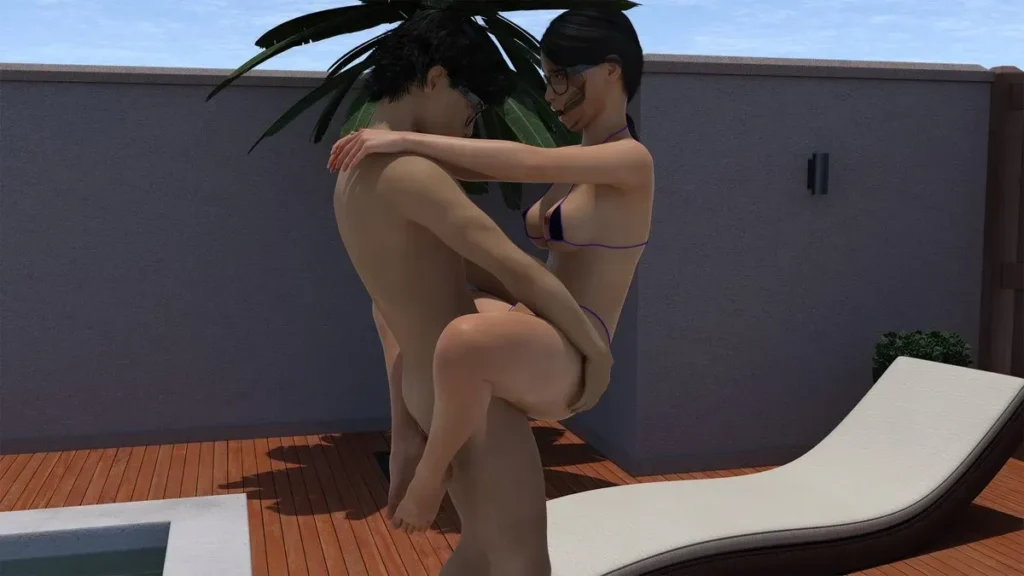

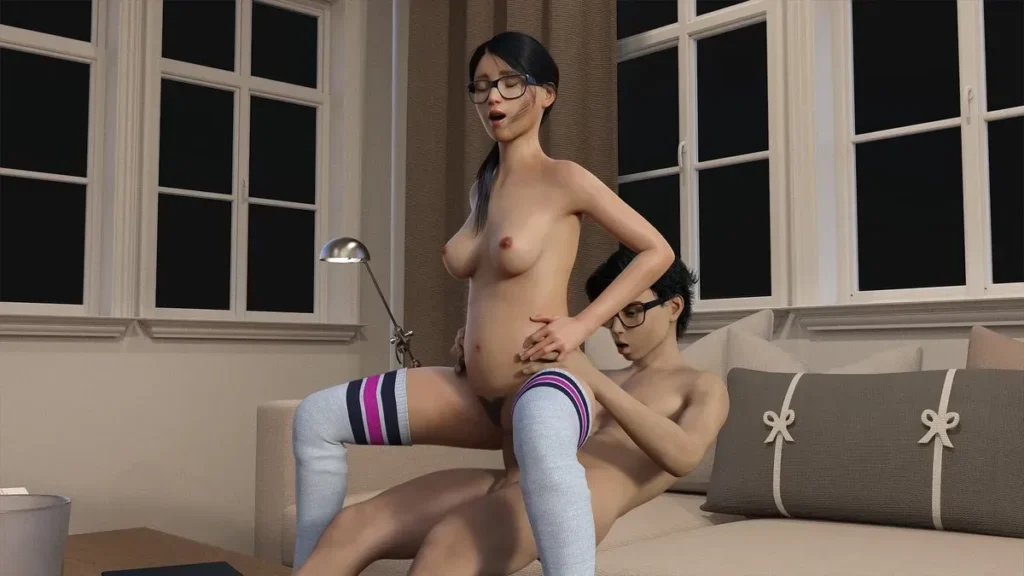

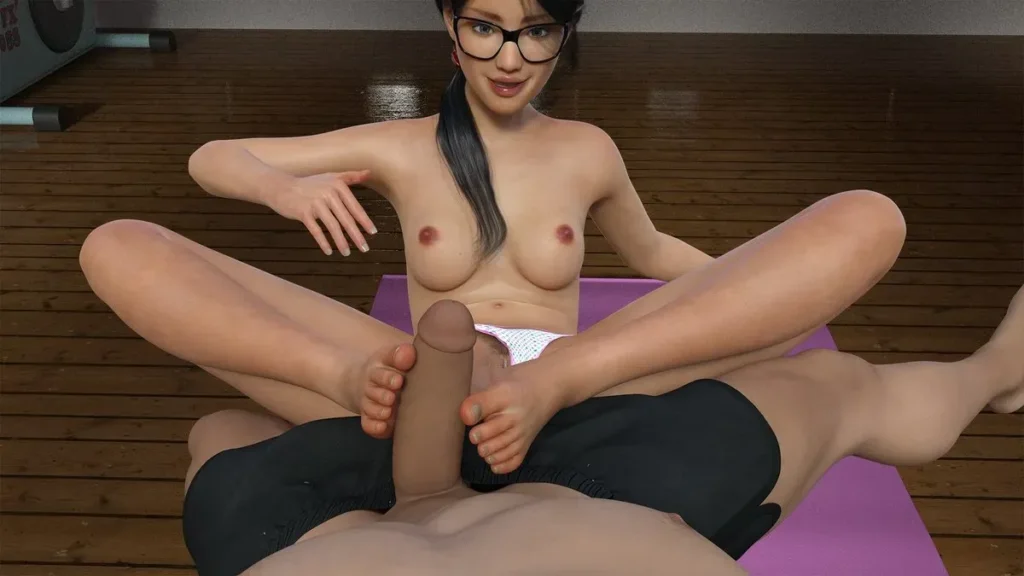
Tangled Up review
Master every route, choice, and consequence in this interactive narrative experience
Tangled Up is an interactive narrative-driven experience that spans 24 days of gameplay, offering players meaningful choices that shape their story progression. The game features a branching narrative system where decisions lead to different outcomes based on whether players pursue love or desire-focused routes. With multiple locations to explore, characters to interact with, and consequences tied to your choices, understanding the game’s mechanics and optimal progression paths can significantly enhance your experience. This comprehensive guide covers everything you need to know about navigating Tangled Up, from basic gameplay mechanics to advanced route optimization strategies.
Understanding Tangled Up: Game Mechanics and Core Systems
Ever loaded up a game, faced your first big choice, and immediately felt paralyzed? 😅 I have. The first time I played Tangled Up, I stared at the screen for a full five minutes, terrified that picking the wrong dialogue option would ruin my entire story. What I didn’t realize then, but absolutely adore now, is that this feeling of weight and consequence is the entire magic of the experience. Tangled Up isn’t just a story you watch; it’s a world you build, one delicate, daring, or downright steamy decision at a time. Welcome to the heart of the experience: understanding the Tangled Up game mechanics that transform you from a passive reader into the lead architect of a dynamic, interactive story game.
At its core, this is a gameplay guide to the systems that make the narrative tick. We’re going to break down exactly how to play Tangled Up, demystifying the elegant machinery behind the branching narrative choices and showing you how to navigate its routes and paths with confidence. Think of this as your blueprint to mastering every interaction.
How the Choice-Based Narrative System Works
So, how does this all function? Let’s pull back the curtain. The choice-based narrative system in Tangled Up is deceptively simple on the surface but wonderfully complex underneath. Your journey spans 24 in-game days, and each day presents you with a series of key moments where you must make a decision. These aren’t just cosmetic flavor text; they are the primary drivers of the plot, character relationships, and ultimately, which ending you receive.
The system operates on a principle of accumulated consequence. Every choice you make sends a tiny ripple through the narrative stream. At first, these ripples are subtle—a slightly different line of dialogue, a changed expression on a character’s face. But as you progress, those ripples converge into waves that can dramatically alter the story’s course. A seemingly innocuous chat by the pool on Day 5 might unlock—or permanently lock—a deeply intimate conversation on Day 18. The game is constantly tracking your allegiances, your romantic inclinations, and the personality you’re projecting.
My biggest “aha!” moment was on my third playthrough. I’d been trying for a specific outcome with one character and kept failing. I finally realized that a choice I made in the very first chapter, which felt completely unrelated, had set a hidden “trust” flag that I needed. It was a brilliant reminder that in this interactive story game, everything is connected.
This is the essence of the Tangled Up game mechanics: your autonomy to shape the narrative is real, but so is the narrative’s memory. There is no “right” or “wrong” save for what you want to experience. The beauty is in the replayability. Want to see how a different approach changes a character’s fate? Start a new game and make opposite choices. The branching narrative choices ensure that no two playthroughs are ever exactly the same, which massively extends the life of this interactive story game.
Location Exploration and Environmental Interaction
Tangled Up isn’t just about dialogue trees. A huge part of the storytelling and character development happens through where you choose to go and what you choose to observe. The environment is a silent character, packed with opportunities for discovery and connection. During your free time each day, you can select from a handful of primary locations, each serving as a stage for different types of interactions and story beats.
Think of location selection as choosing your narrative hunting ground. 🗺️ Are you looking for a private, one-on-one moment? Or do you want to stir the pot in a group setting? Your choice of venue is itself a key branching narrative choice.
Here are the main stages where your story unfolds:
- The Main House & Common Rooms: 🏠 This is the social hub. Choosing to linger here often leads to group interactions, casual banter, and opportunities to observe dynamics between other characters. It’s perfect for building general rapport and picking up on subplots.
- The Pool Area: 🏊♂️ Ah, the pool. A place of relaxation, flirtation, and revealing conversations. Interactions here often have a more casual, sun-drenched vibe, but don’t be fooled—serious confessions can happen just as easily here as anywhere else. It’s a fantastic spot for interactive story game moments that blend leisure with emotional depth.
- Private Bedrooms & Balconies: 🔒 These locations are typically unlocked through prior relationship building. Getting invited to a character’s private space is a major sign of trust and opens up the most intimate, vulnerable dialogues in the game. These scenes are often pivotal for deepening a specific route.
- The Kitchen & Dining Area: 🍽️ Sharing a meal or a drink is a classic bonding activity. Choices here can range from lighthearted fun to tense, charged moments, especially if you’re navigating complicated feelings between multiple characters.
Interacting with the environment itself—commenting on a book, noticing a photograph, choosing to sit close to someone—are all subtle choices that feed into the game’s hidden metrics. This layer of exploration makes the world feel alive and gives you more agency than just picking from conversation prompts.
Route Selection: Love vs. Desire Paths
This is where the Tangled Up routes and paths truly diverge, offering fundamentally different narrative experiences. Almost from the outset, the game presents you with a core philosophical choice for how you want to pursue relationships: the path of Love or the path of Desire. This isn’t about being “good” or “bad.” It’s about your character’s motivation and emotional goal.
The Love Route focuses on emotional connection, trust, commitment, and building a lasting bond. Choices on this path prioritize heartfelt conversations, acts of kindness, patience, and demonstrating genuine care beyond physical attraction. It’s about the slow burn and the deep connection.
The Desire Route centers on passion, physical attraction, flirtation, and the thrill of the moment. Choices here are bolder, more playful, and directly acknowledge physical chemistry. It’s about spark, intensity, and exploring a more hedonistic side of the summer entanglement.
Crucially, you are not locked into one path from a single menu choice. Your route is determined by the consistent pattern of your branching narrative choices. You might flirt boldly (a Desire-leaning choice) in one scene but later choose a supportive, emotionally open dialogue (a Love-leaning choice). The game calculates your overall tendency, which will open up specific, path-exclusive scenes and dialogue options as you progress. Mixing choices can lead to a unique, blended experience, but consistently leaning one way will unlock the most defined story arcs for that path.
To see how this works in practice, let’s look at a comparison. Imagine a scenario where a character is sharing a personal vulnerability.
| Scenario Element | Love Route Approach | Desire Route Approach |
|---|---|---|
| Primary Focus | Building emotional intimacy and long-term trust. | Creating magnetic tension and immediate, passionate connection. |
| Example Dialogue Choice | “I’m here for you, no matter what. You can tell me anything.” | “The way you’re looking at me right now is incredibly captivating.” |
| Character Response | They open up about a past hurt, deepening your emotional bond and unlocking future supportive scenes. | The mood shifts to something charged and flirtatious, potentially leading to a more physically intimate moment sooner. |
| Long-term Consequence | Unlocks story beats about meeting family, making future plans, and achieving a “true love” ending. | Unlocks more adventurous, passion-driven scenes and can lead to intense, drama-filled endings. |
My personal recommendation? Don’t stress about “optimizing” your first playthrough. Go with your gut. That first, authentic run is magical. Then, for your second save, commit fully to a pure Love or Desire path for a specific character to see content you missed. This is the best how to play Tangled Up advice I can give: let the first run be yours, and let the replays be for exploration. The Tangled Up game mechanics are designed to reward this cyclical journey of discovery.
Understanding these core systems—the consequential choice-based narrative system, the purposeful environmental exploration, and the defining Love vs. Desire paths—is your key to mastering this interactive story game. It turns the anxiety of choice into the thrill of authorship. You now have the gameplay guide to not just witness the story of Tangled Up, but to truly live it, shape it, and experience every glorious, heartbreaking, and steamy variation it has to offer. Your next choice awaits. What will it be? 😉
Tangled Up offers a rich interactive experience where your decisions genuinely matter to the story’s direction and outcomes. By understanding the game’s core mechanics—from the choice-based narrative system to the dual-route framework—you can make informed decisions that align with your preferred playstyle. Whether you’re drawn to the love-focused path or prefer the desire-focused route, the game rewards exploration and experimentation. Consider playing through multiple times to experience different character interactions and story variations. The 24-day structure provides ample opportunity to discover hidden scenes and unlock all available content. Engage with each location thoughtfully, pay attention to character dialogue cues, and don’t hesitate to reload and try different choices to see how they reshape your narrative journey.