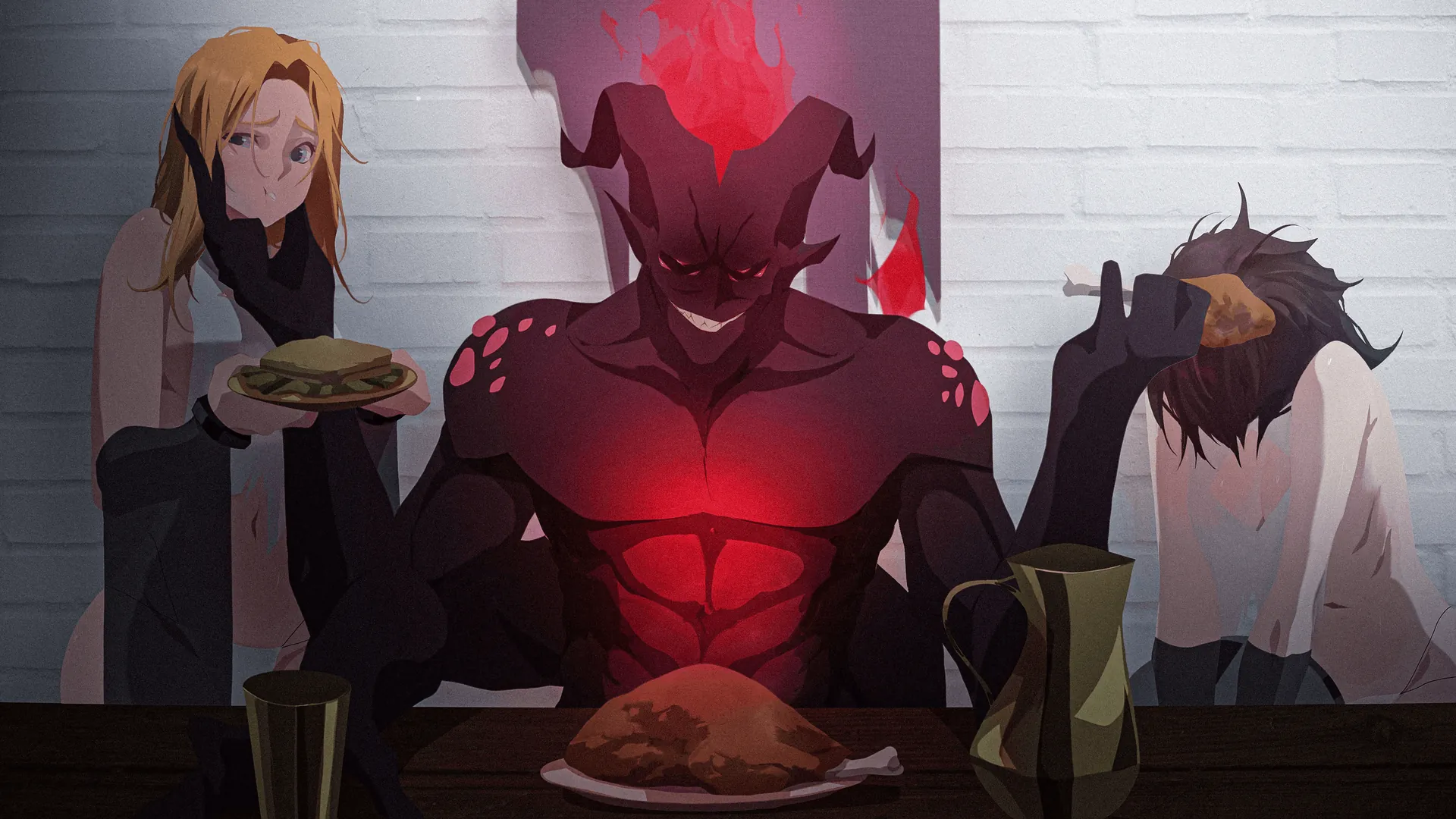
The Theater of Sinners
Play The Theater of Sinners
The Theater of Sinners Screenshots
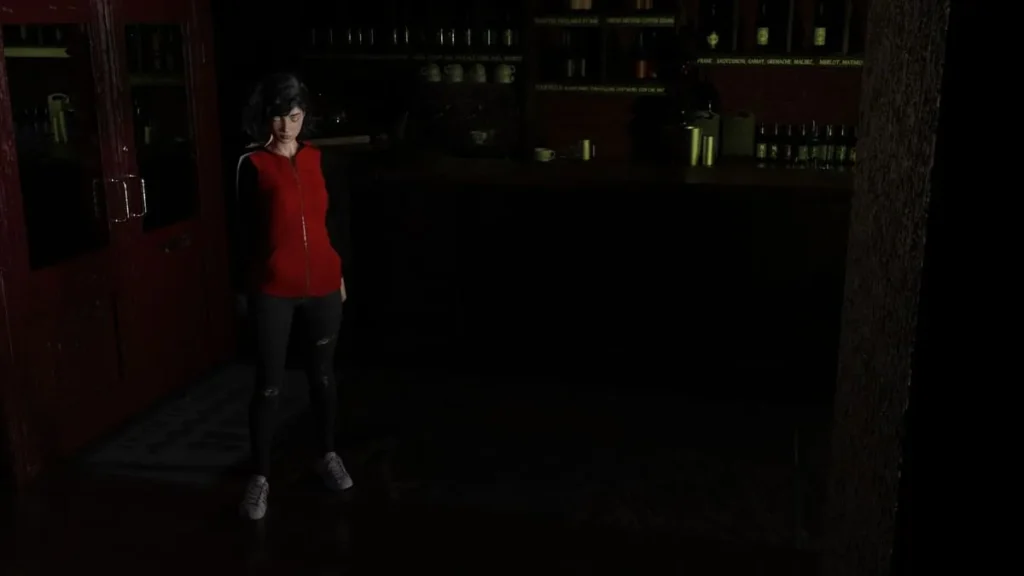
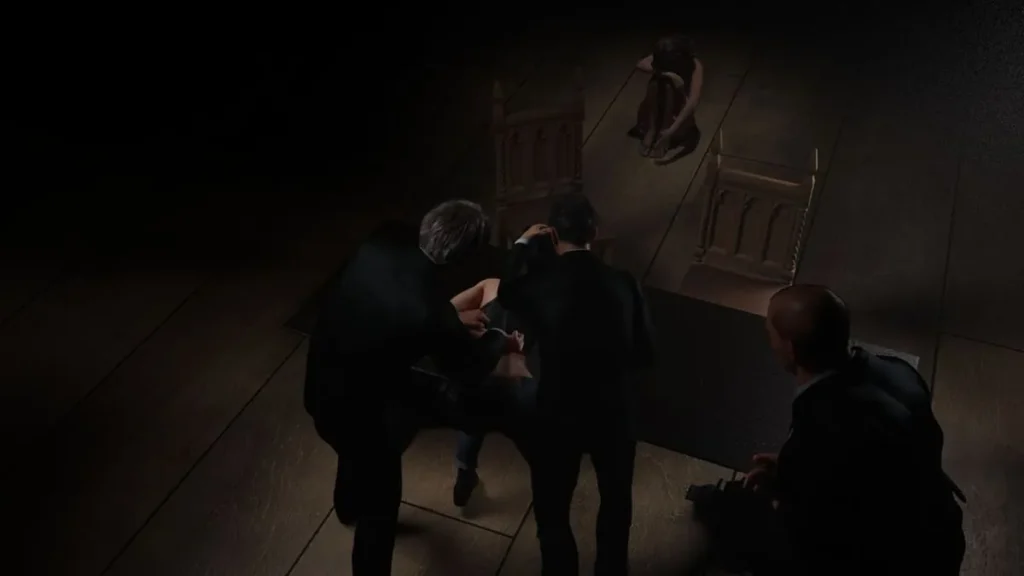
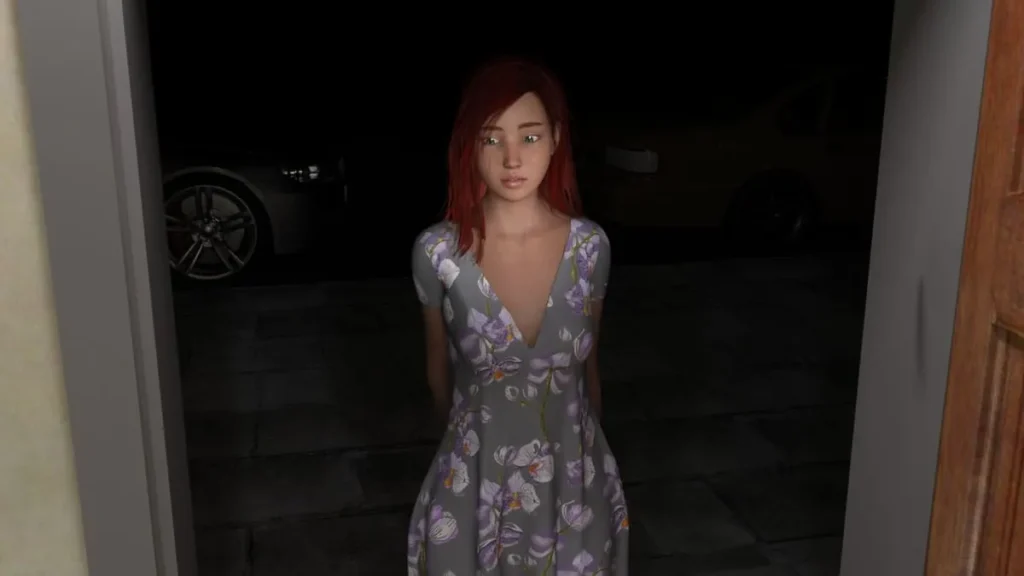
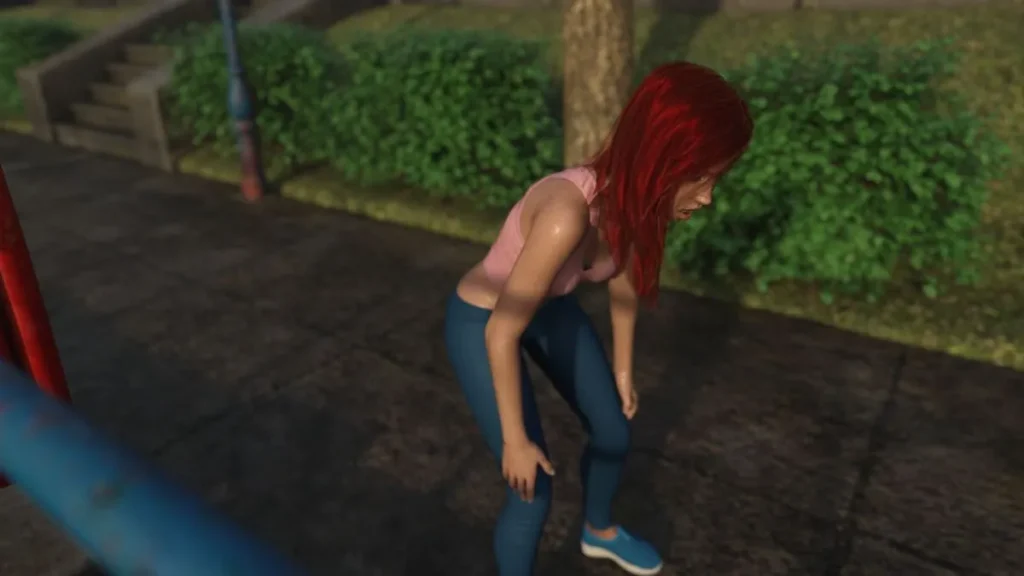
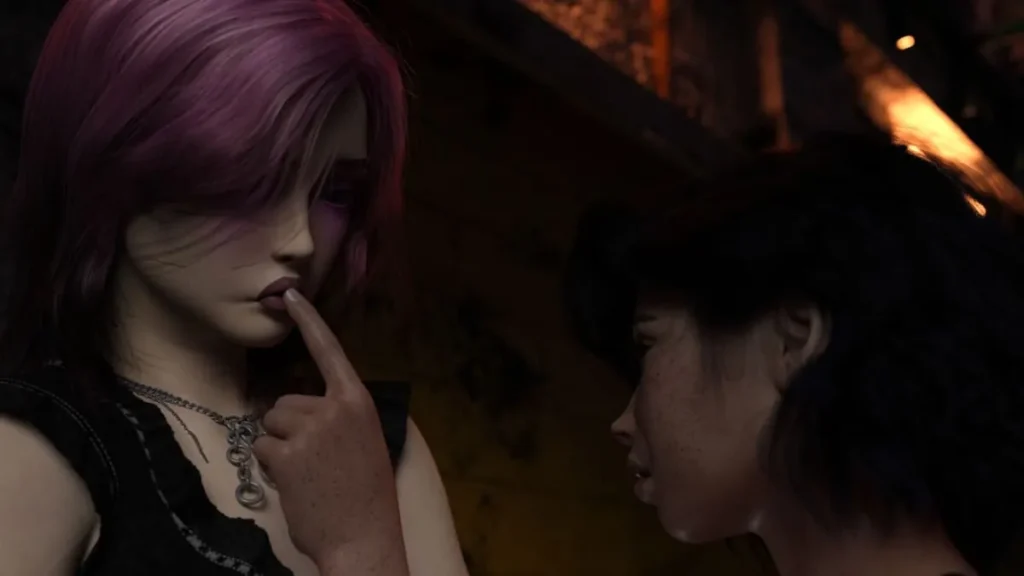
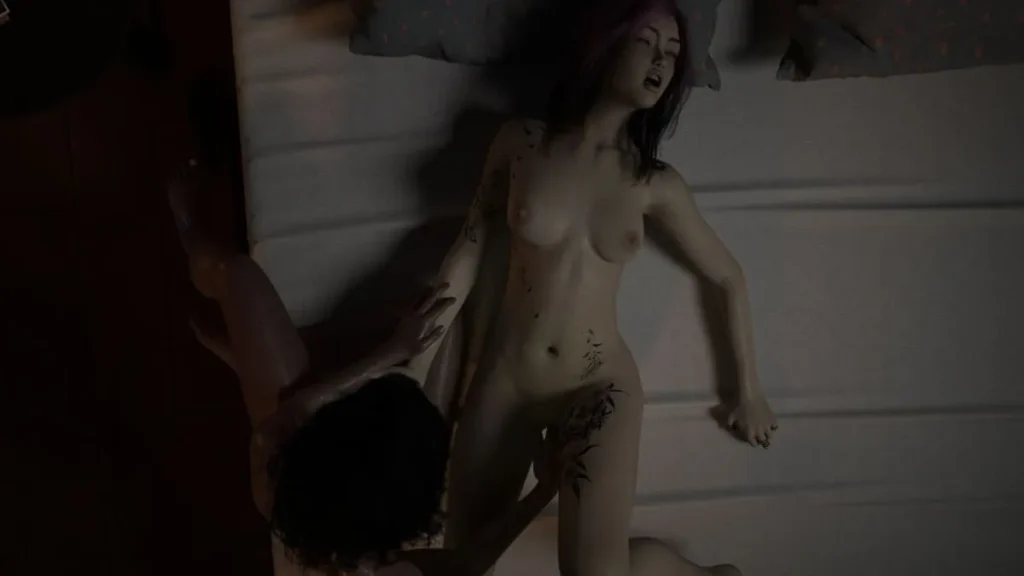
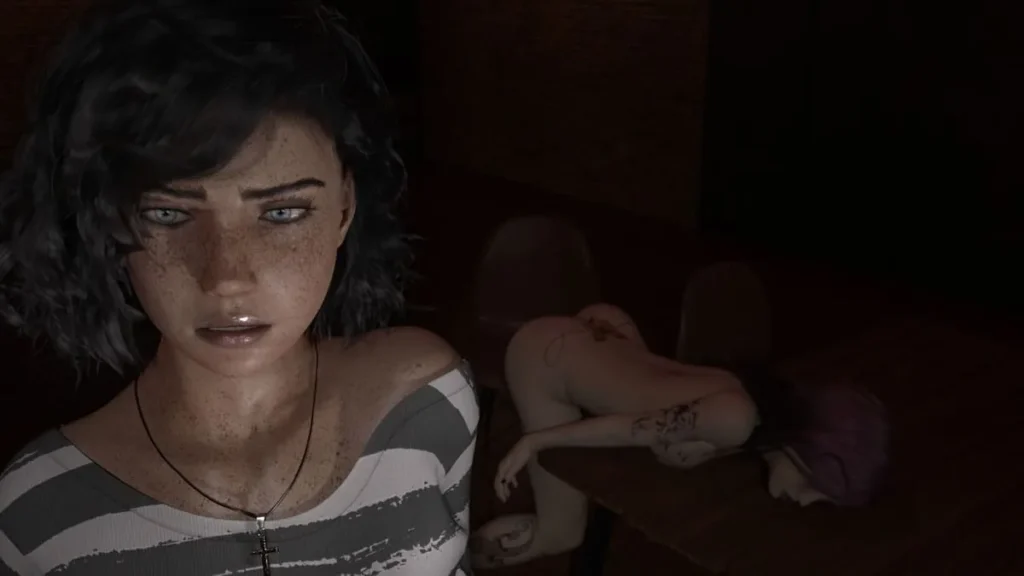



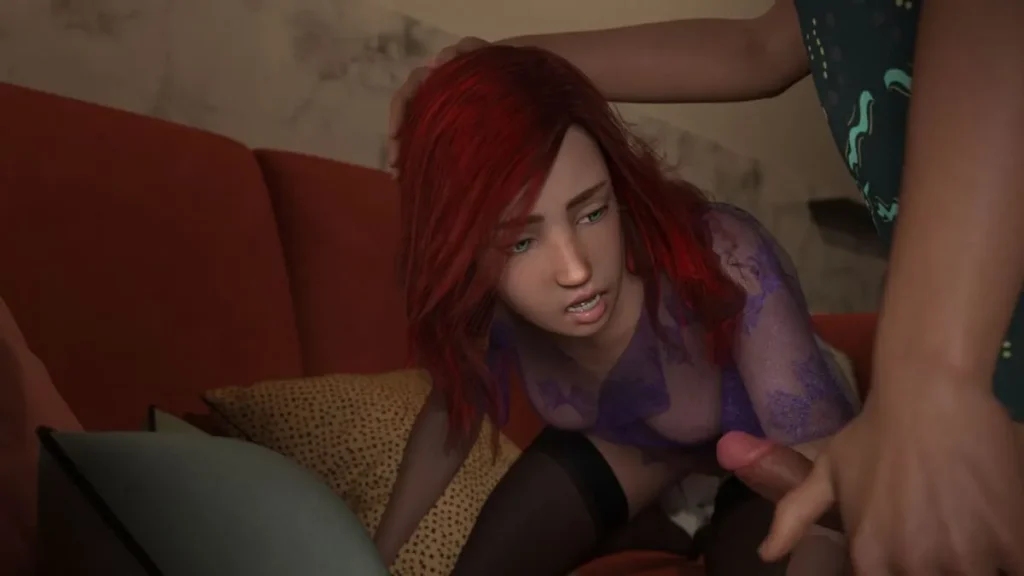
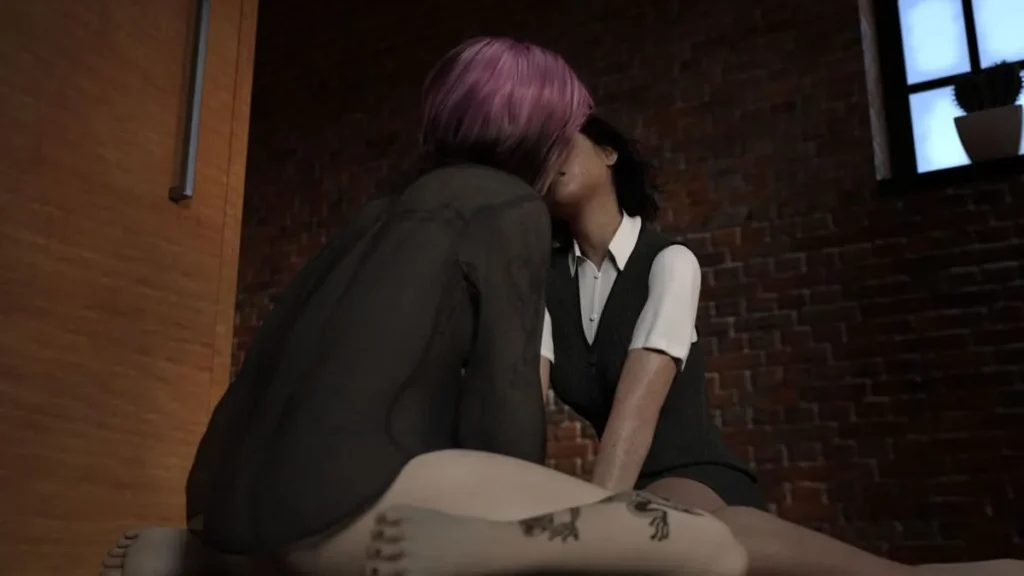



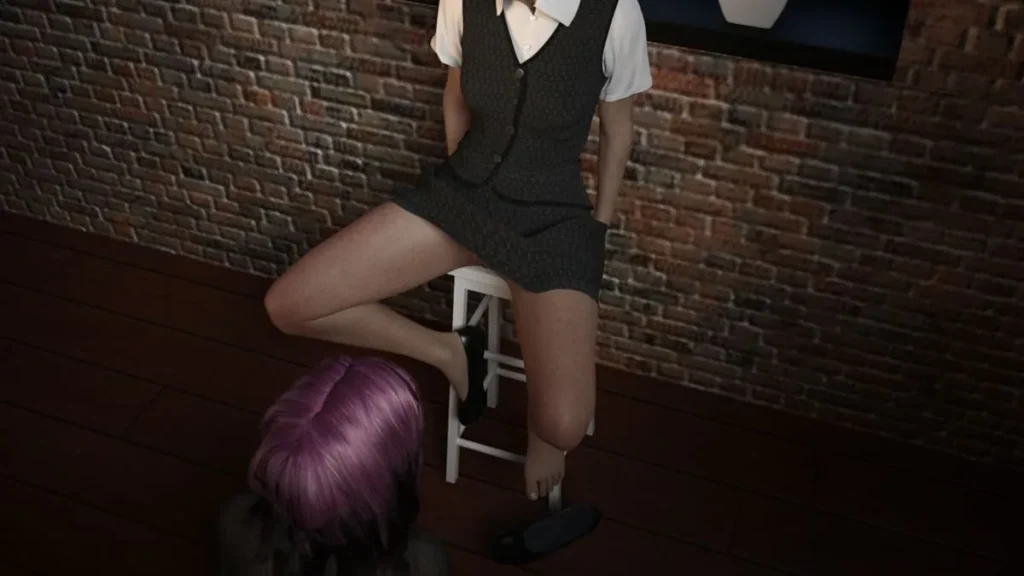
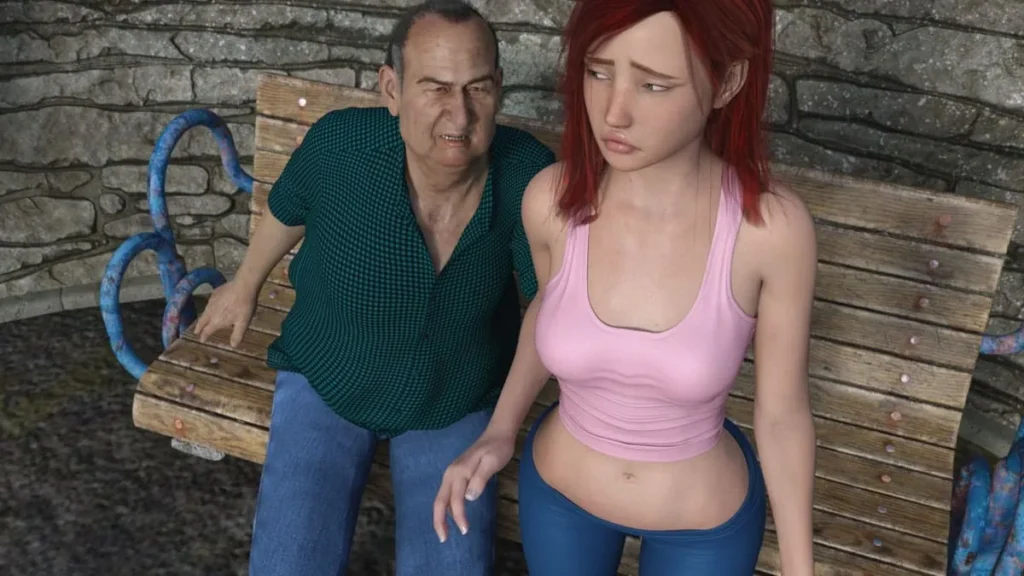
The Theater of Sinners review
Dive into humiliation, corruption, and twisted choices in this Ren’Py adult game
Ever stepped into a world where every choice drags you deeper into a web of humiliation and corruption? That’s The Theater of Sinners, the gripping Ren’Py visual novel by JustXThings that’s got players hooked on its psychological fantasy horror. Version 0.3 ALPHA 1 thrusts you into the lives of protagonists like Paula and Rebecca, navigating blurred morals, brutal dynamics, and deviant paths. I remember my first session—innocent decisions spiraled into intense scenarios that left me questioning everything. If you’re craving a Theater of Sinners game experience blending dark narratives with adult themes, this guide uncovers it all, from story secrets to gameplay tips.
What Makes The Theater of Sinners Uniquely Addictive?
I remember the first time The Theater of Sinners truly hooked me. It was 2 AM, and I was just going to play “one more scene” to see what happened to Rebecca. Two hours later, I was still wide awake, my mouse hovering over a dialogue option that felt less like a choice and more like a moral landmine. That’s the addictive pull of this Ren’Py visual novel—it doesn’t just tell a story; it makes you its reluctant architect. You’re not just watching a psychological fantasy horror unfold; you’re actively bending its spine, often towards brutal, heartbreaking ends.
So, what is The Theater of Sinners, exactly? At its core, it’s a decision-based narrative where you navigate the interleaved, tragic tales of four protagonists. The game forces you to confront cycles of abuse, humiliation, and corruption, asking not just what these characters will do, but how far you are willing to let them fall—or if you can find a sliver of redemption in the darkness. The brilliance isn’t in the shock value, but in the devastating humanity of it all. 😰
Who Are the Core Protagonists in The Theater of Sinners?
The heart of this experience is its deeply flawed, painfully real cast. You don’t play as heroes; you guide victims, survivors, and sometimes, newly minted monsters. Two central figures anchor the Theater of Sinners storyline: Paula and Rebecca. Understanding them is key to navigating the game’s emotional labyrinth.
Paula is the daughter of a powerful, distant figure, a girl who should have it all but instead possesses nothing she truly needs. She’s ruthlessly bullied by teen delinquents, and her path is a slow, coerced slide into deviance. Her story explores the corruption of privilege when it’s devoid of genuine love or security. Will she break under the pressure, or internalize her tormentors’ cruelty?
Then there’s Rebecca. Her life is a masterclass in inherited trauma. Raised by a neglectful addict mother and a viciously abusive step-father, she’s grown up in a world of constant pain. The central, terrifying question of her arc is whether she will break the cycle or become the very thing she hates most. Her story is raw, visceral, and often the hardest to watch unfold.
These protagonists Paula Rebecca and the others aren’t just puppets for the plot. They are complex individuals shaped by their pasts, and your choices feel like nudges to their already-cracked foundations. To see how their journeys contrast and intertwine, let’s break it down:
| Protagonist | Core Backstory | Key Internal Struggle | Potential Paths |
|---|---|---|---|
| Paula | Daughter of a powerful but absent figure; targeted by bullies exploiting her social isolation and need for belonging. | The corrosion of self-worth vs. the seductive power of embracing a corrupted identity to gain control. | Total submission and psychological breakdown, or a cunning, vengeful corruption where she turns the tables. |
| Rebecca | Survivor of childhood neglect and severe abuse; her home life is a war zone. | Repeating the cycles of violence she endured vs. finding an almost impossible strength to define her own morality. | Becoming an abuser herself, numb to pain, or achieving a fragile, hard-won survival that borders on redemption. |
🕯️ Seeing their origins laid out like this makes every in-game decision feel heavier. You’re not just picking dialogue; you’re answering the question their trauma has asked them.
How Do Choices Shape the Twisted Storyline?
The Theater of Sinners game mechanics are deceptively simple but create profound narrative complexity. This isn’t a linear “good vs. evil” choice system. Instead, decisions often raise subtle stats or flags that you won’t even see—influencing character relationships, mental state, and susceptibility to further corruption.
Practical Tip: Savor the dialogue. A line that seems innocuous might be loaded with subtext that changes a character’s perception of you later. The game rewards careful reading and emotional intuition.
You can play events in almost any order, which is a stroke of genius. Discovering a character’s tragic past after you’ve made a harsh judgment about their present actions can completely reframe your understanding and fill you with regret. The non-linear plot, filled with flashbacks, means you are constantly piecing together the “why” behind the horrific “what.”
Let me give you a storytelling example from my playthrough. Early with Rebecca, I had a choice: confront her step-father in a moment of tension or try to de-escalate and hide. Feeling a surge of protective anger, I chose confrontation. The game didn’t cut to an immediate scene of violence. Instead, that choice set a flag. Hours later, in a seemingly unrelated scenario, that earlier “brave” decision was referenced. It had subtly reinforced Rebecca’s belief that direct conflict was the only way, leading her to initiate a much more brutal, devastating confrontation later that I felt directly responsible for. The Theater of Sinners storyline connects these dots with terrifying precision.
Your choices branch the narrative toward harsher or (slightly) milder outcomes, but “milder” is a relative term here. There is no pristine happy ending, only variations of survival, damage, and sometimes, a faint hope. Tracking your major choices is essential, as they unlock specific milestones and events, making each playthrough uniquely personal.
Why Does the Psychological Horror Element Grip You?
Forget jump scares. The psychological fantasy horror in The Theater of Sinners is woven into its very DNA. The horror isn’t a monster in a closet; it’s the monster that grief, pain, and humiliation can create inside a person. It’s the atmospheric dread of a seemingly normal school hallway that holds terrible memories, or the oppressive silence of a broken home. 👁️
This is achieved through relentless moral ambiguity. You will rarely have a “correct” option. Often, you’re choosing between self-destructive defiance and degrading compliance, or between protecting one character at the expense of another. The game makes you complicit, and that guilt lingers.
The horror is also profoundly character-driven. By exploring these intimate cycles of pain, the fear becomes relatable. “What would I become in this situation?” is a question that will haunt you long after you close the game. The fantasy and horror elements often blur, representing psychological breaks, traumatic memories, or metaphorical manifestations of their anguish, making the Ren’Py visual novel format a perfect canvas for these internal nightmares.
My personal opinion? It’s the unwavering commitment to its characters’ humanity that makes The Theater of Sinners brilliant. They are not just vessels for tragedy. In their flaws, their occasional moments of tenderness, and their desperate attempts to exert control, we see ourselves. The game doesn’t judge them, and in turn, it doesn’t let you judge yourself too easily for the paths you choose. You have to sit with the consequences.
FAQ: Your Theater of Sinners Questions, Answered
-
How long does it take to complete a playthrough?
A single, focused playthrough for one protagonist can take 4-6 hours, but with four interleaved stories and many branches, seeing a significant portion of the content requires 20+ hours of gameplay. It’s designed for multiple sessions and replays. -
Does the game have multiple endings?
Absolutely. Each protagonist has several core endings, influenced by your key decisions and the hidden stat thresholds you meet. These range from utterly tragic to bittersweetly hopeful, with many variations in between. -
Is the content only about shock value?
Not at all. While the themes are mature and dark, the focus is always on character study and psychological cause-and-effect. The narrative treats its heavy subjects with a disturbing gravity that makes them integral to the plot, not sensationalized. -
Do I need to be good at Ren’Py games to play?
Not at all! The Ren’Py visual novel engine makes it very accessible. It’s a point-and-click experience where your primary skill is empathy, attention to detail, and emotional decision-making. There are no quick-time events or puzzles—just the weight of your choices. 🎭
The Theater of Sinners stands out as a masterful blend of dark storytelling, complex characters, and choice-driven brutality that keeps you coming back for more twisted paths. From Paula’s descent into deviance to Rebecca’s internal battles, every decision crafts a unique tale of corruption and fleeting redemption. My own dives into its world taught me how games like this can mirror our deepest shadows in thrilling ways. Ready to direct your own sinners’ stage? Download the latest 0.3 ALPHA 1 version today, experiment with bold choices, and share your wildest outcomes in the comments—let’s discuss those game-changing moments!