
Play Treasure of Nadia
Treasure of Nadia Screenshots


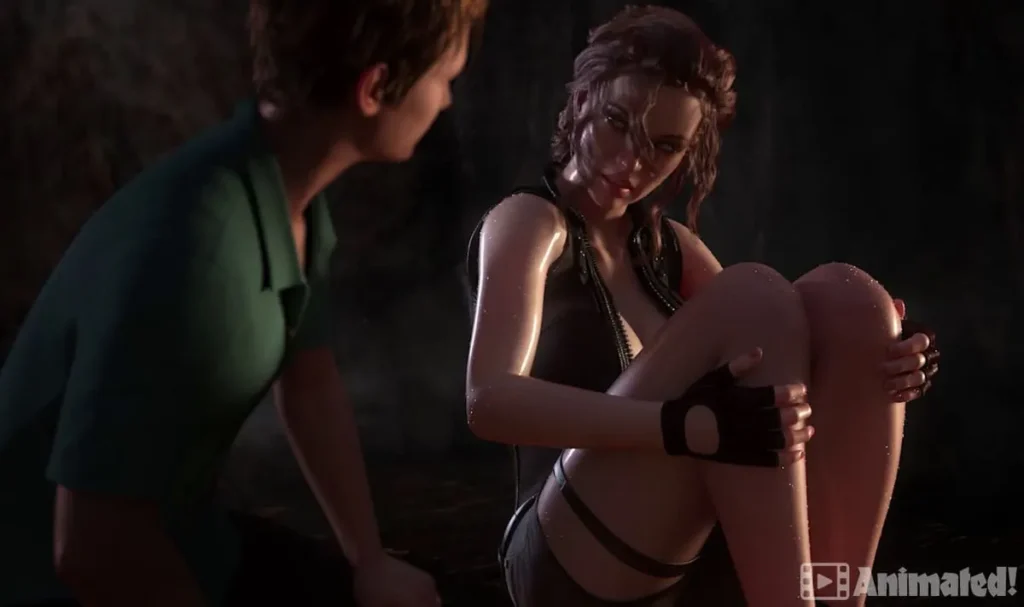
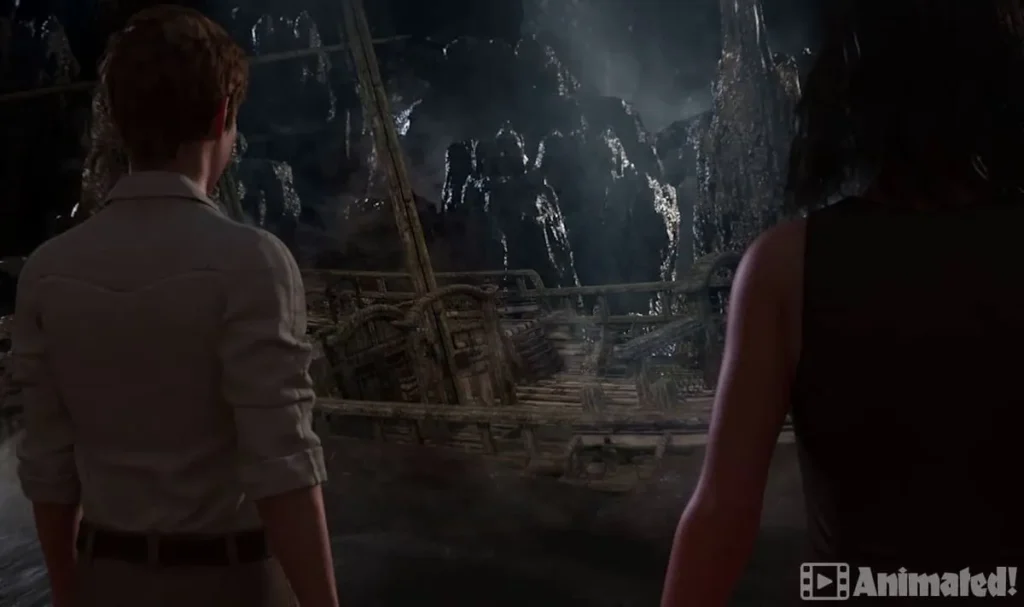
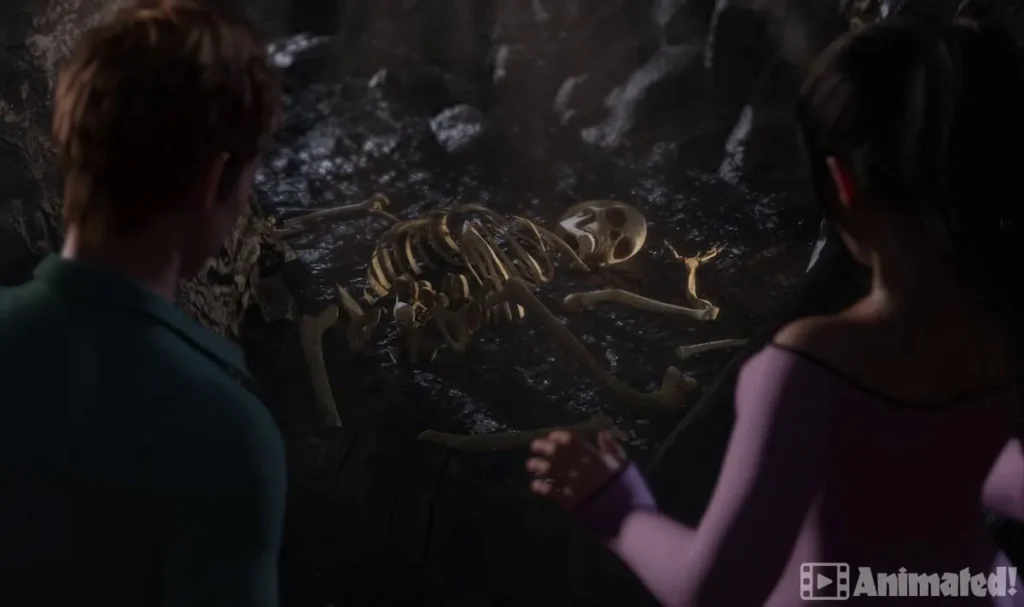


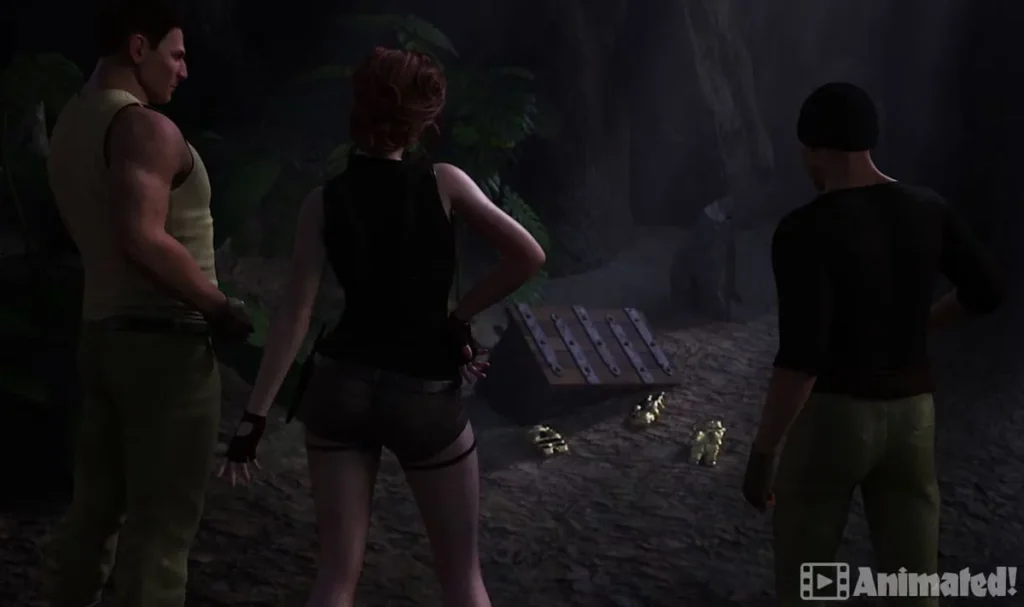










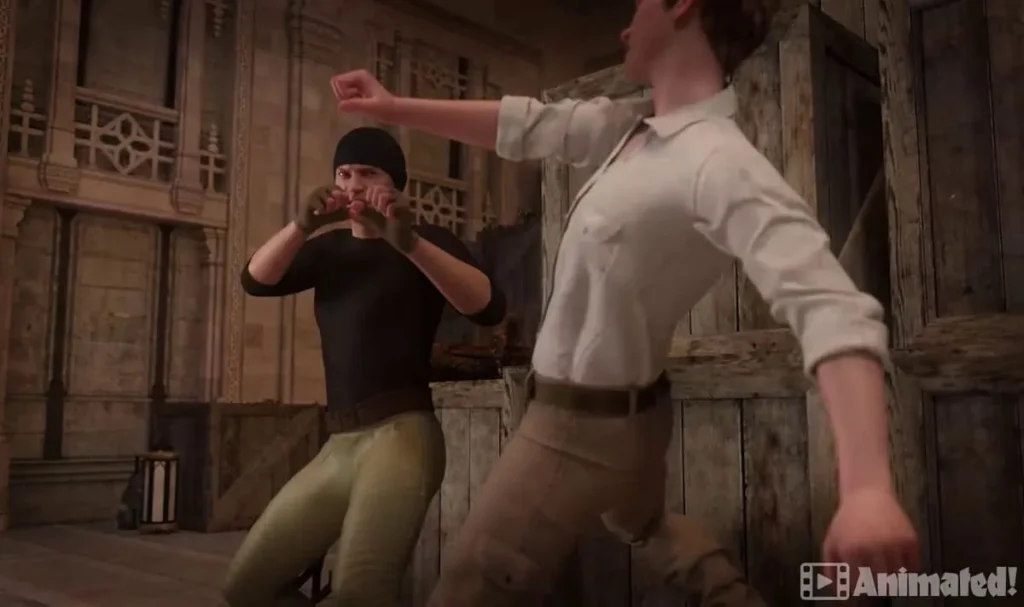




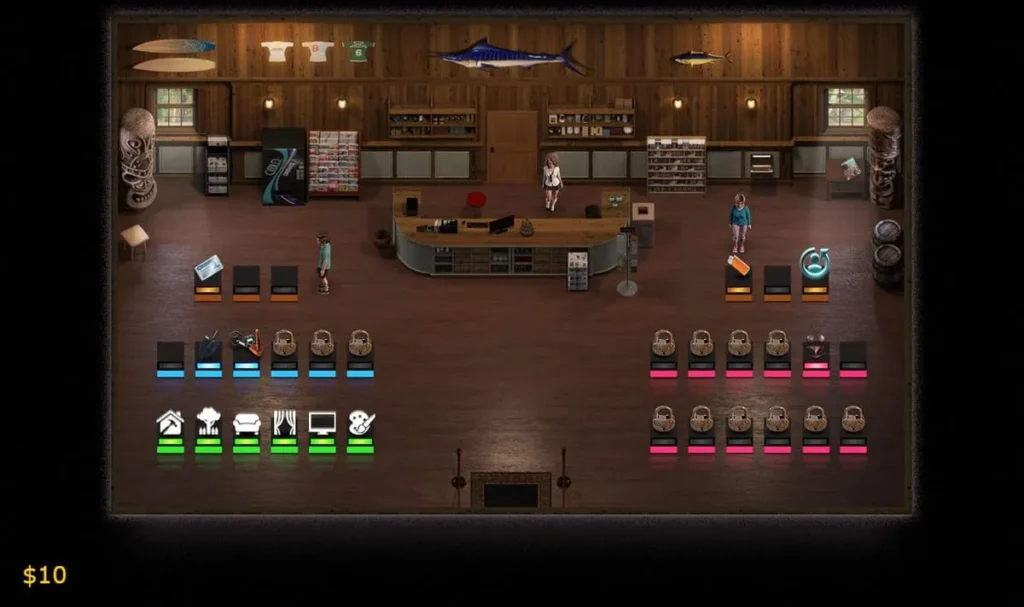
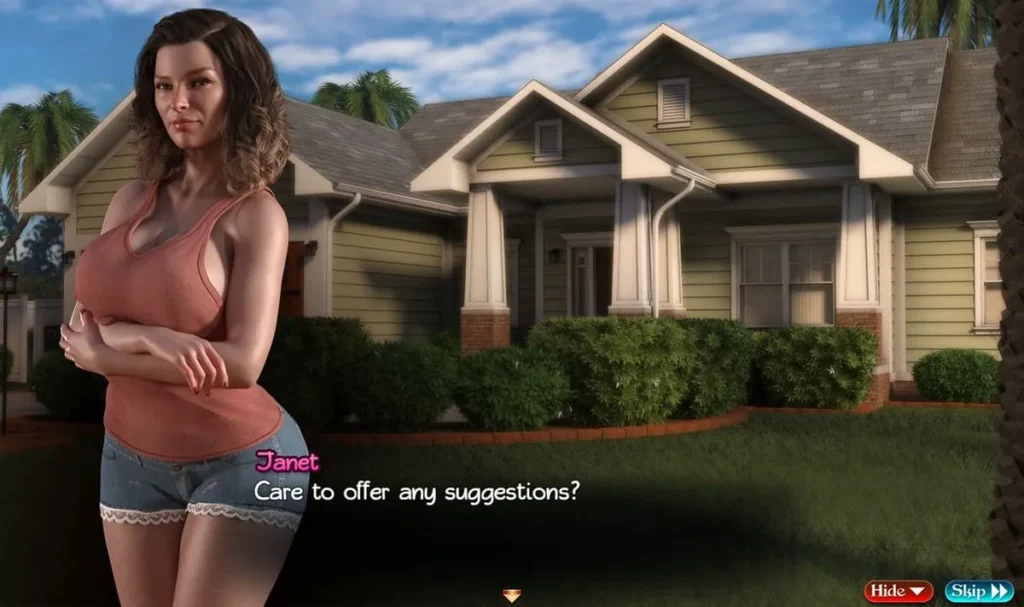
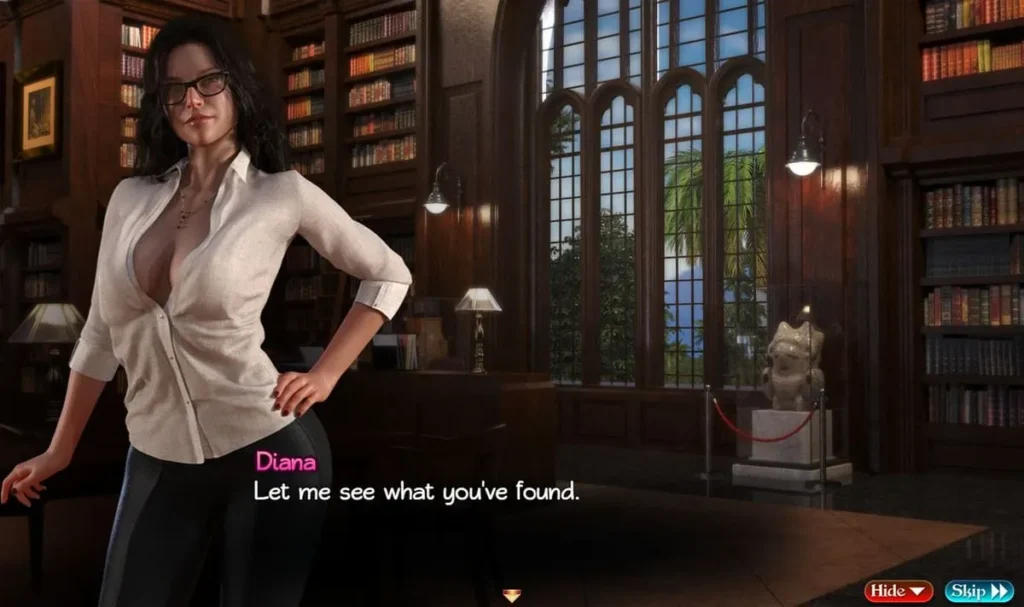


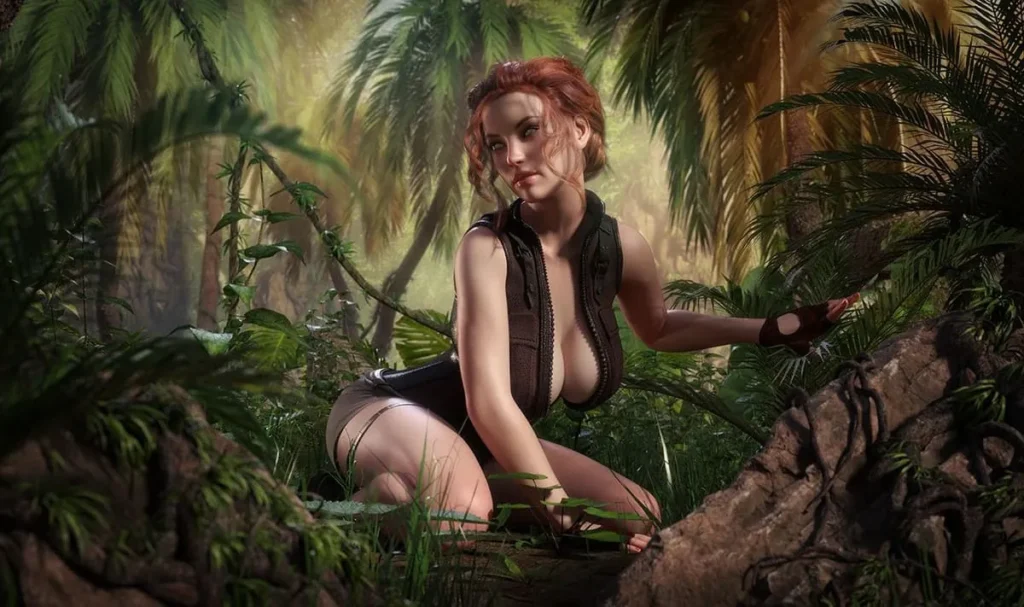
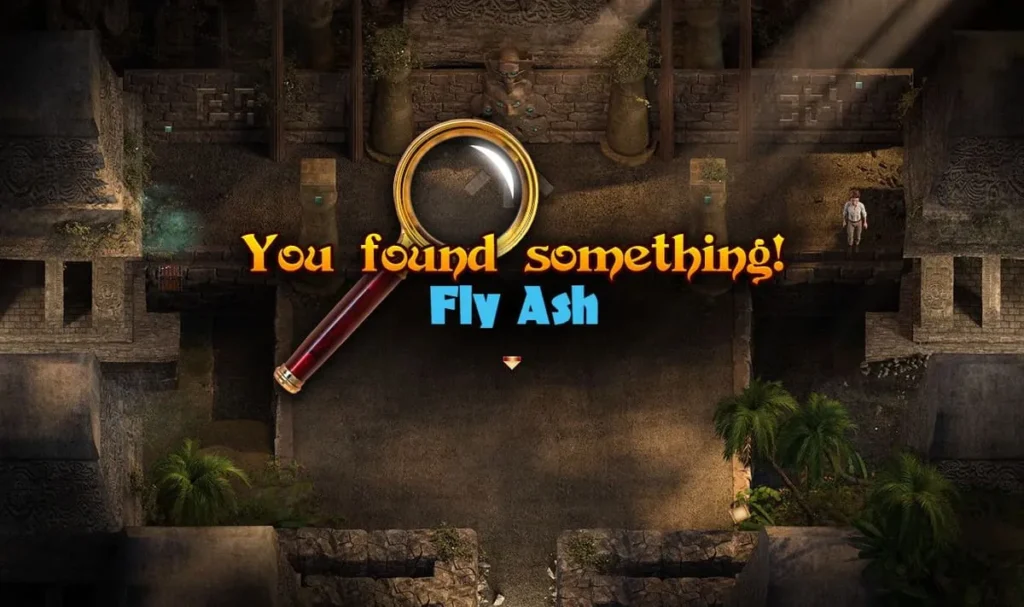
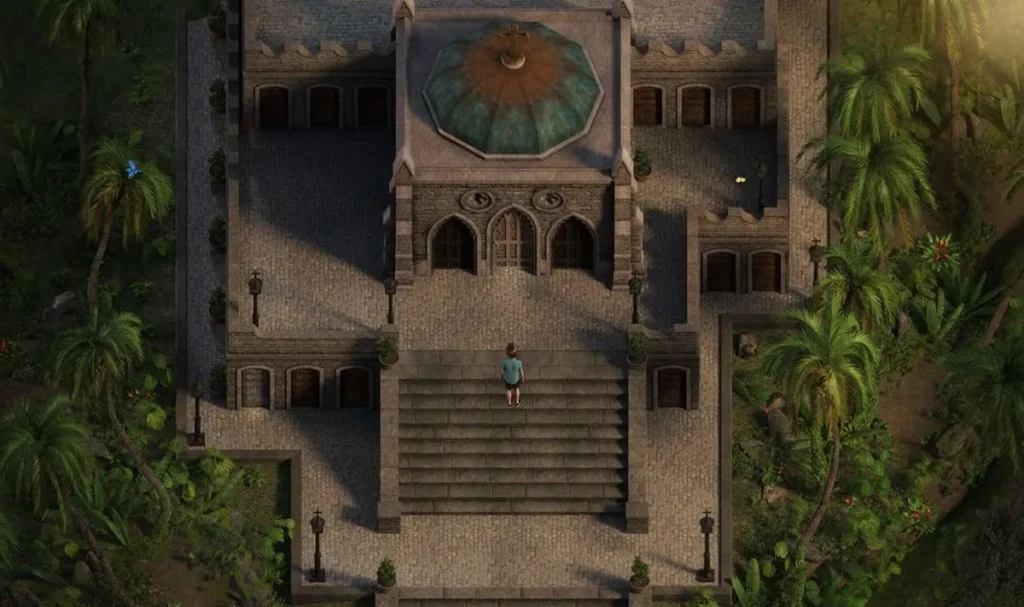
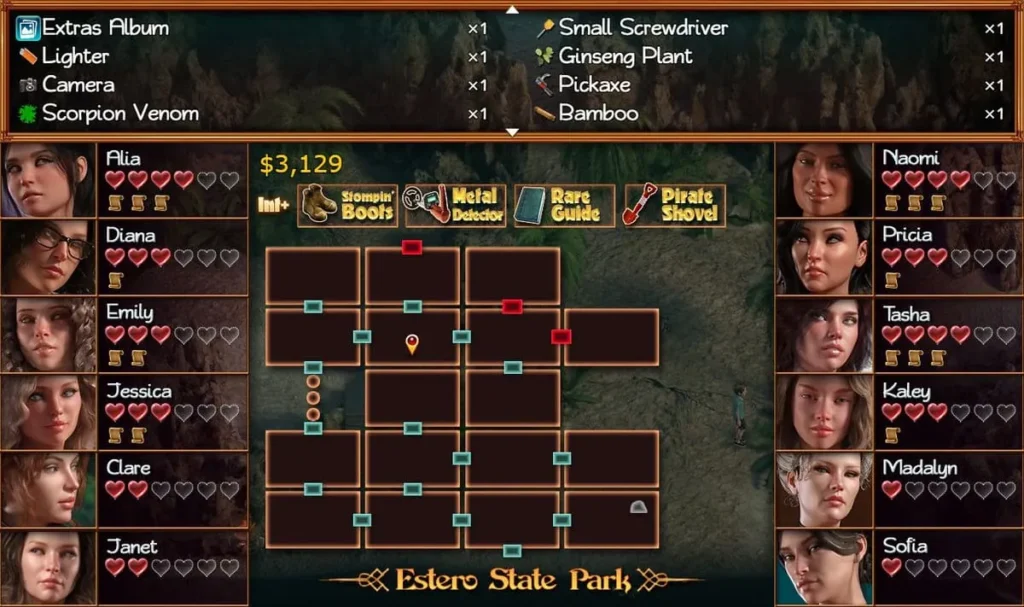
Treasure of Nadia review
In-depth walkthrough, character insights, and gameplay tips for Treasure of Nadia
Treasure of Nadia is a story-driven adult-oriented adventure that blends exploration, puzzle-solving, and character-driven scenes right from the start. In this guide I walk you through core mechanics, key locations, romance opportunities, and practical tips I learned while playing, so you can progress smoothly and uncover hidden content. Whether you’re aiming to finish every quest, unlock character routes, or just want a better sense of pacing, this article is written from personal experience and focuses exclusively on Treasure of Nadia.
Getting Started: Installation, Requirements, and First Steps
So, you’ve decided to dive into the tropical mystery of Treasure of Nadia! 🏝️ Before you can uncover ancient secrets and forge your own adventure, there’s the all-important (and sometimes slightly tedious) task of getting the game running smoothly on your machine. I’ve been there—excitement bubbling, only to be met with a cryptic error message or a settings menu that feels like a puzzle itself. Don’t worry, this guide will get you from download to your first in-game sunset without a hitch.
Let’s make sure your computer is ready for the journey, get the game installed correctly, and set you up with the knowledge to hit the ground running. Think of this as your pre-expedition briefing. 📋
System requirements and installation options
First things first: can your PC handle the lush visuals and exploration of Treasure of Nadia? The good news is that the game is built on the Ren’Py engine, which isn’t notoriously demanding. However, to ensure a buttery-smooth experience free of stutters during those beautiful animated sequences, you’ll want to meet or exceed the recommended specs.
Here’s a quick breakdown of the Treasure of Nadia system requirements. I’ve built this table based on community feedback and the developer’s notes to give you the clearest picture.
| Component | Minimum Requirements | Recommended Specifications |
|---|---|---|
| OS | Windows 7/8/10 | Windows 10 (64-bit) |
| Processor | 2.0 GHz Dual Core | 2.5 GHz Dual Core or better |
| Memory | 4 GB RAM | 8 GB RAM |
| Graphics | Integrated Graphics (OpenGL 2.1 support) | Dedicated GPU with 1GB+ VRAM |
| Storage | 5 GB available space | 10 GB available space (for updates/saves) |
| Additional Notes | A stable internet connection is needed for initial download and updates from platforms like Patreon or Steam. | |
🚨 Pro Tip: The most common hiccup isn’t raw power, but outdated graphics drivers. Before you install, take two minutes to update your GPU drivers. It solves a surprising number of potential visual glitches!
Now, for the Treasure of Nadia installation guide part. The game is primarily available through the developer’s Patreon page for the latest versions, and on platforms like Steam for a stable, publicly available build. My strong recommendation? If you want the most complete, up-to-date experience with all content, go the Patreon route. The installation is straightforward:
- Download the game files from your chosen source (Patreon pledge, Steam, etc.).
- Run the installer (usually a .exe file). If downloading a .zip file from Patreon, simply extract it to a folder of your choice—no installer needed.
- Choose your installation directory. I highly recommend a simple path like
C:\Games\TreasureofNadia. Avoid burying it deep in nestedProgram Filesfolders; this can sometimes cause permission issues with save files later. - Let the installer run. For Patreon builds, you’re just extracting files, so it’s near-instantaneous.
A final word on installation: antivirus software can sometimes be overly cautious with indie game executables. If the game fails to launch after installation, check your antivirus quarantine list before you panic. Adding the game’s folder as an exception is a common fix.
First session checklist: settings, saves, and preferences
Alright, the game is installed! 🎉 But before you click “New Game,” let’s get your foundation solid. This 5-minute setup will save you hours of potential frustration. Here’s your essential first-session checklist:
- Launch the game for the first time.
- Head straight to the ‘Settings’ menu.
- Configure your
Treasure of Nadia settingsfor graphics, audio, and gameplay. - Locate your
Treasure of Nadia save filesdirectory. - Create a manual save before doing anything in-game.
- Talk to the first key NPC (you’ll know who).
- Pick up every visible item in the starting area.
Let me share a quick story. On my first install, I jumped right in, played for three hours, and then my game crashed. I shrugged, re-launched, and found my progress completely gone. 😱 I’d assumed auto-save had my back. Turns out, I needed to understand how Ren’Py handles saves. That painful lesson is now your gain.
First, tackle the Treasure of Nadia settings. This isn’t just about resolution. The most important tab is ‘Preferences’ in the main menu.
| Settings Tab | Critical Adjustment | Why It Matters |
|---|---|---|
| Graphics | Set Frame Rate to 60 FPS (or your monitor’s refresh rate). | Prevents animation from feeling choppy. The default can sometimes be lower. |
| Audio | Balance Music, Sound, and Voice sliders to your taste. | The soundtrack and ambient sounds are fantastic; don’t let one drown out the other. |
| Preferences | Enable Auto-Forward after choices (with a medium time setting). | This is a HUGE quality-of-life tweak. It keeps dialogue flowing without constant clicking. |
| Preferences | Consider turning Skip Unseen Text to OFF for a first playthrough. | You won’t accidentally blast through new story content. |
Now, let’s demystify Treasure of Nadia save files. The game uses both auto-saves and manual saves. You should rely on manual saves. Create multiple slots and save often, especially before big story choices or complex crafting. Your save files are typically located here:
C:\Users\[YourUserName]\AppData\Roaming\RenPy\TreasureofNadia-1555486786
(Pro-tip: You can quickly open this folder by pressing Windows Key + R, typing %APPDATA%, and pressing Enter, then navigating into the RenPy folder).
👉 Make your first manual save “Day 1 – Start” right on the title screen or immediately after launching a new game. This is your golden backup. I now keep three rotating manual saves, updating the oldest one. It has saved my playthrough more than once!
Early-game goals and walkthrough of opening areas
You’re configured, saved, and ready. Time for the fun part—actually playing! The opening of Treasure of Nadia does a great job of introducing mechanics, but it’s easy to miss subtle hints. Let’s break down your first 30-60 minutes with some crucial Treasure of Nadia beginner tips.
Your Immediate Goals: Your character, a aspiring treasure hunter, starts with a simple mission. Your early-game checklist is:
1. Exhaust dialogue with the first major NPC you meet (they’ll give you your core quest and a vital tool).
2. Learn to click on everything. Shiny sparkles are obvious, but many items blend into the scenery. Hover your mouse slowly over the screen.
3. Craft your first tool. The crafting menu is key. You’ll likely need to combine a few basic finds to make something useful, like a digging tool or a light source.
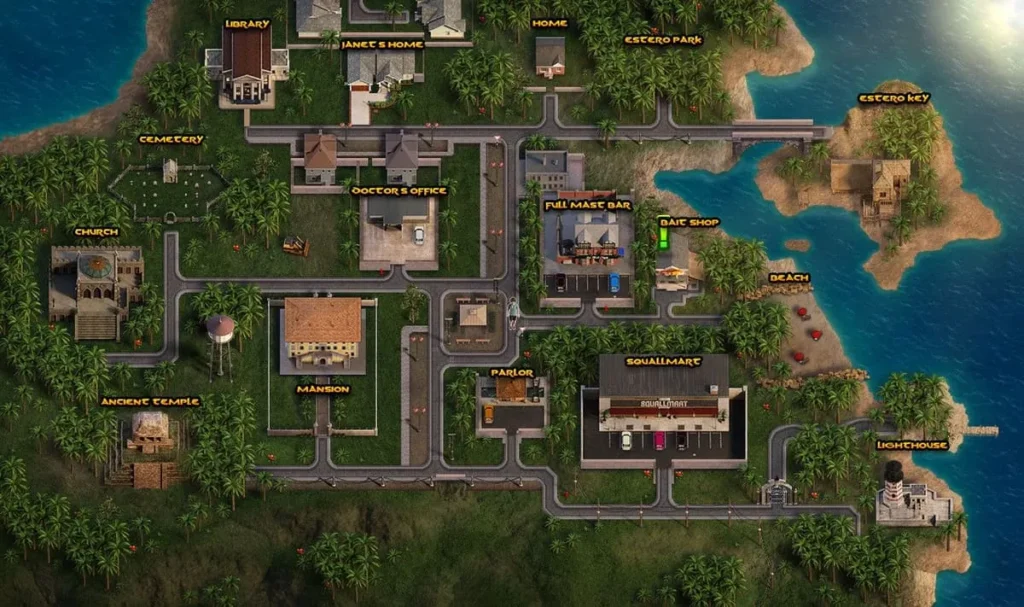
4. Understand the map. Press ‘M’ to open it. Filled areas are accessible; greyed areas are locked. The map is your best friend for navigation.
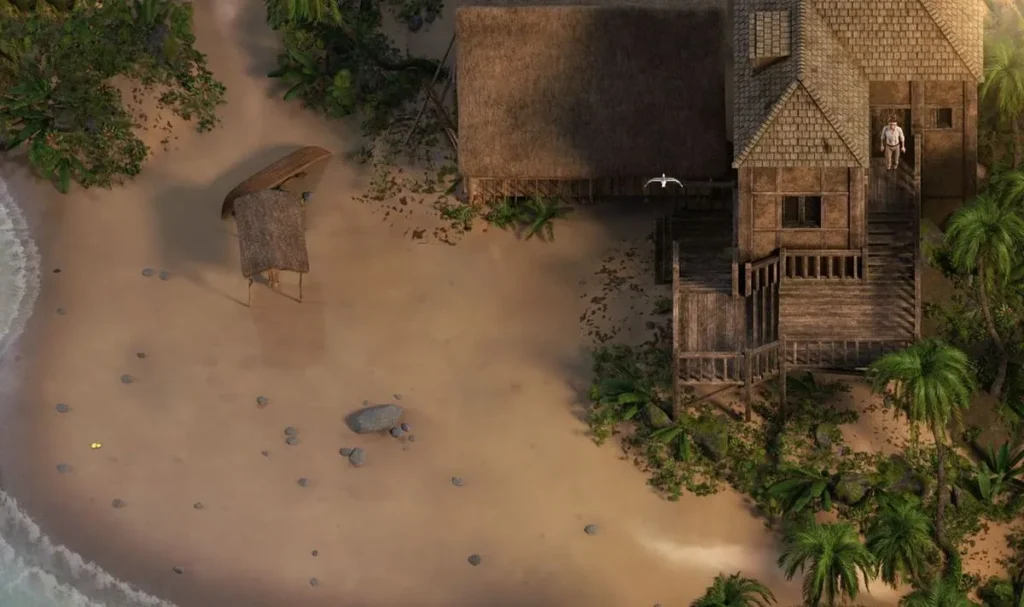
Now, for a focused Treasure of Nadia opening area walkthrough. You’ll begin near a beach. Here’s a step-by-step:
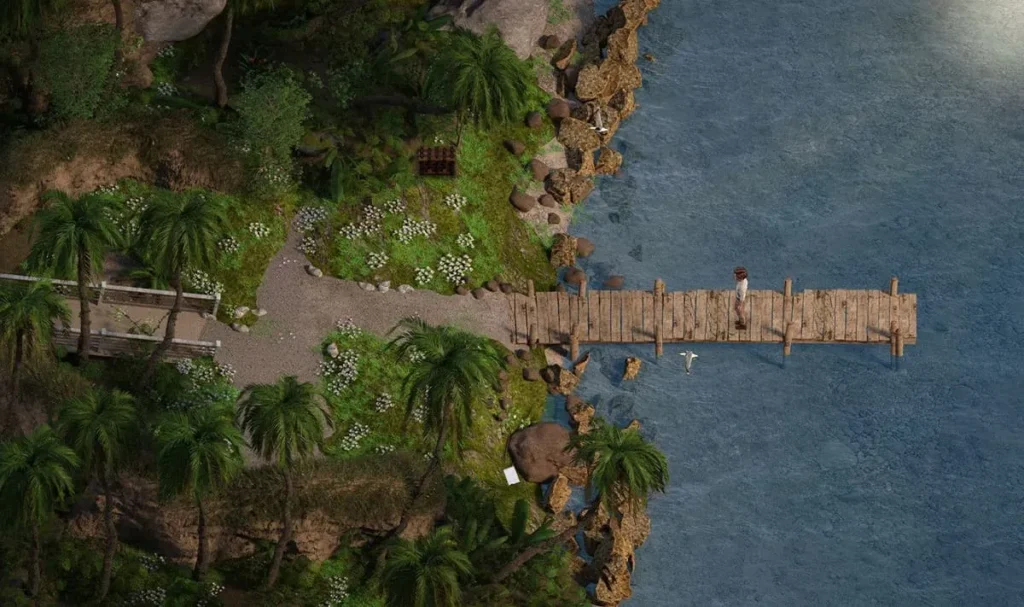
- Scene 1: The Beach. After the intro, you have control. Immediately, practice looking for interactive spots. There’s likely a shiny shell or piece of driftwood on the sand. Click it! This gets you into the “loot everything” mindset.
- First NPC: Walk right (or follow the obvious path). You’ll meet a key character. Talk to them multiple times until their dialogue repeats. They will give you your Treasure Journal and your first real task. This journal is vital—it tracks quests and clues.
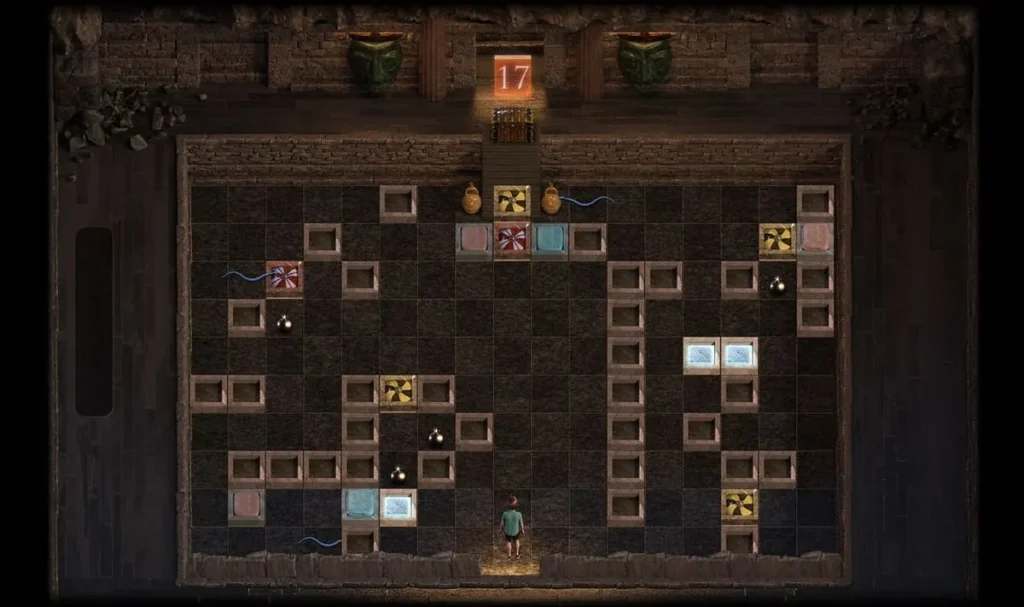
- The First Puzzle: The opening area often contains a simple barrier, like a fallen log or a thick bush. To pass, you’ll need a specific item. Check your inventory. You may have already picked up a stick or stone. Open the crafting menu (usually a button on the screen or in your inventory). Try combining items logically. For example, stick + stone = a crude axe to clear a path.
- Collectible Spots: In this starting zone, there are usually 3-5 hidden items. Check:
- The base of palm trees.
- Behind large rocks.
- At the edge of the waterline.
- Inside the first small hut or tent you see.
Pacing and Exploration: My biggest piece of Treasure of Nadia beginner tips is about balance. The story will pull you along, but always take detours. When you enter a new screen, scour it before advancing the conversation. Many essential crafting materials are found off the critical path. However, don’t get stuck trying to access a clearly locked area early—if it needs a key or a tool you don’t have, the journal will usually hint at it. Mark it on your mental map and move on.
Map & Fast-Travel: Once you’ve visited a few locations, open your map (‘M’). Clickable locations will allow you to fast-travel instantly. This is a massive time-saver later. Early on, use it to return to previous areas if you realize you need an item you saw but didn’t collect.
By following this guide, you’ve not only ensured a technically smooth experience but also started your adventure with confidence and the right habits. You’ve mastered the initial setup, understand how to protect your progress, and have a clear roadmap for the opening hours. The island of Nadia is now yours to explore. Remember, save often, click on everything, and don’t rush—the treasure isn’t going anywhere! 🗺️⚓
Ready for what’s next? In the following chapters, we’ll dive deeper into the game’s intricate systems, character relationships, and how to solve some of its trickier puzzles. The real adventure is just beginning
Treasure of Nadia offers a layered experience that rewards exploration, thoughtful puzzle-solving, and attention to character interactions. This guide gathered practical setup advice, core mechanics, relationship strategies, collectible tracking, and troubleshooting tips drawn from hands-on play to help you get the most from the game. If you found specific tips here helpful, try the suggested visit timetable and checklist in your next session, and consider sharing your own discoveries with the community to help others.